High Speed Lithium Electric Motorcycle
菜单
-
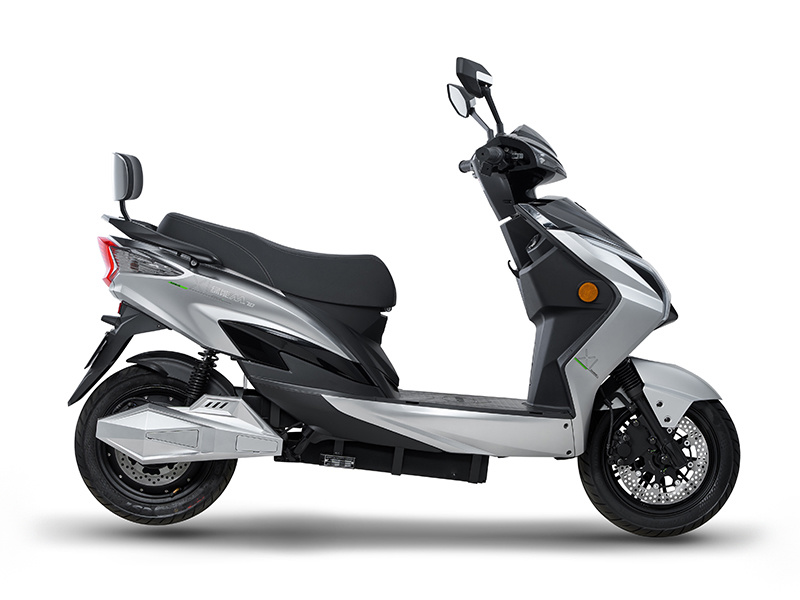
Lithium Electric Motorcycle
-
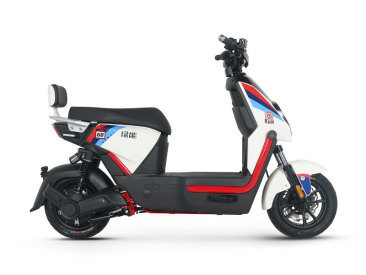
Lead Acid Electric MotorcycleLead Acid Electric Motorcycle
-
Sustainable
-
About Us
-
Blog
-
Contact Us
Address: Heng Shan Qiao Industrial Zone, Changzhou, Jiangsu Province, China
Eco-Friendly Deliveries: Exploring the Advantages of Lithium Electric Motorcycles for Sustainable Transportation
Eco-Friendly Deliveries: Exploring the Advantages of Lithium Electric Motorcycles for Sustainable Transportation Table of Contents 1. Introduction to Lithium Electric Motorcycles 2. The Environmental Impact of Electric Motorcycles 3. Cost-Effectiveness of Lithium Electric Motorcycles 4. Performance Advantages of Electric Motorcycles 5. Enhancing Urban Mobility with Electric
Time:
2026-04-24 16:10
Eco-Friendly Deliveries: Exploring the Advantages of Lithium Electric Motorcycles for Sustainable Transportation
Table of Contents
- 1. Introduction to Lithium Electric Motorcycles
- 2. The Environmental Impact of Electric Motorcycles
- 3. Cost-Effectiveness of Lithium Electric Motorcycles
- 4. Performance Advantages of Electric Motorcycles
- 5. Enhancing Urban Mobility with Electric Motorcycles
- 6. The Importance of Charging Infrastructure
- 7. Future Trends in Lithium Electric Motorcycle Technology
- 8. Challenges Facing Electric Motorcycle Adoption
- 9. Conclusion
- 10. Frequently Asked Questions
1. Introduction to Lithium Electric Motorcycles
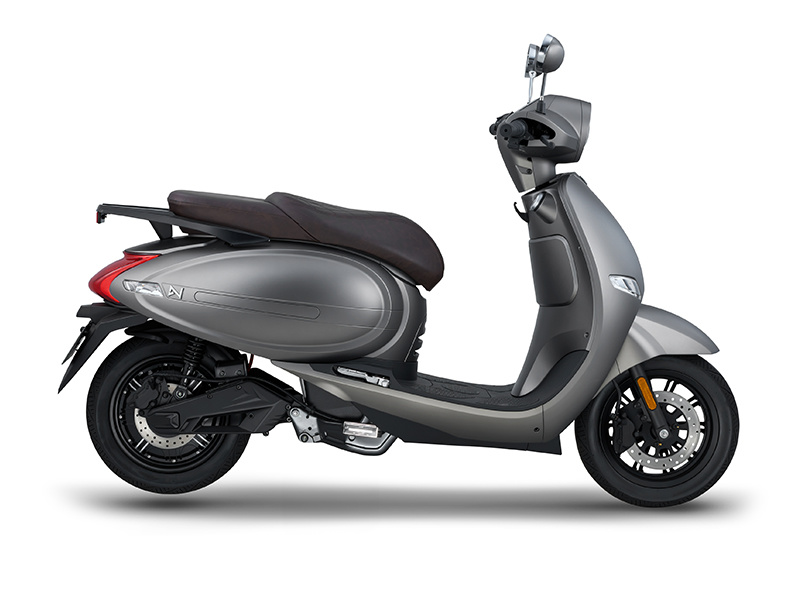
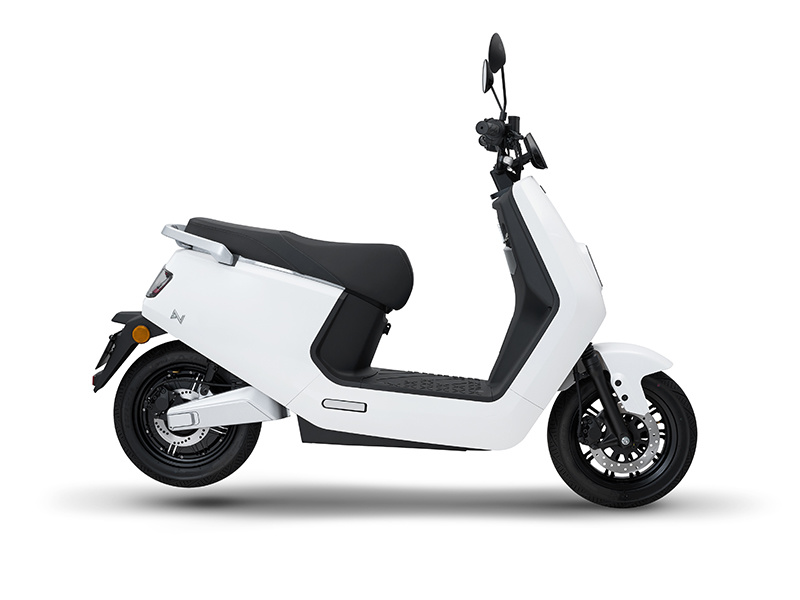
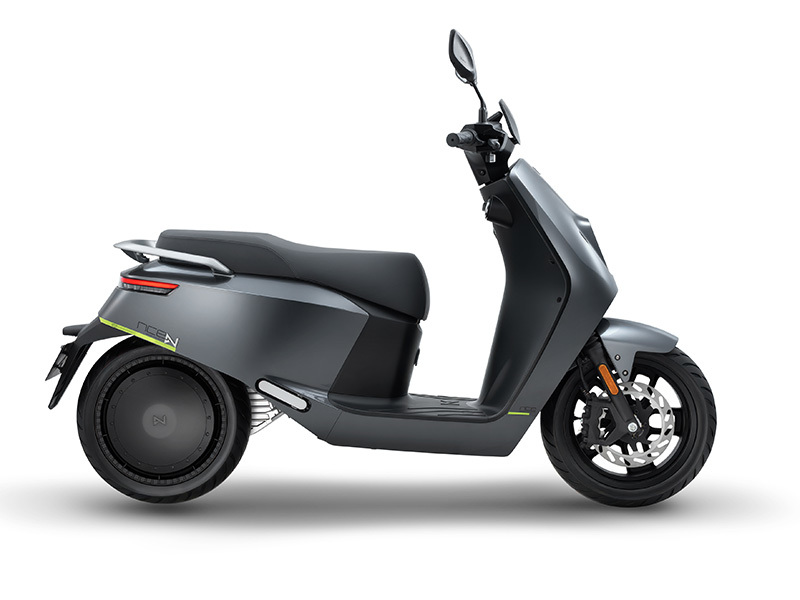
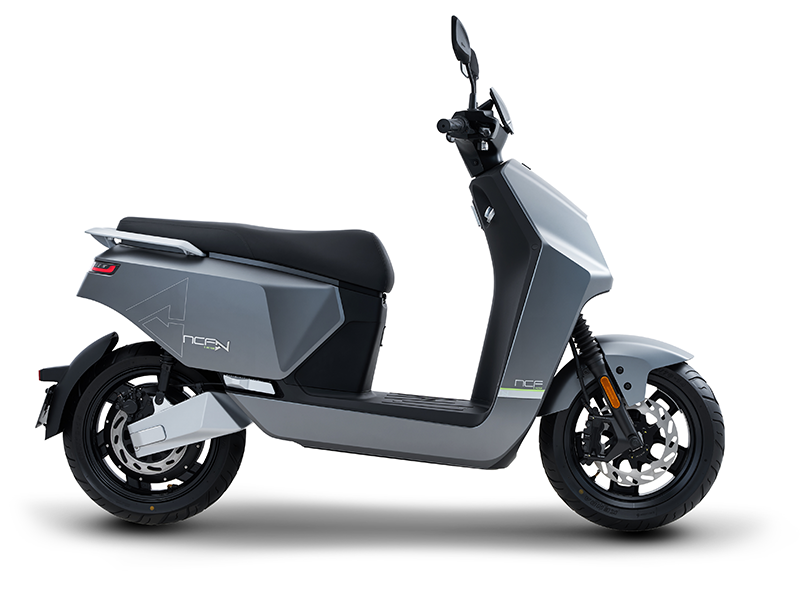
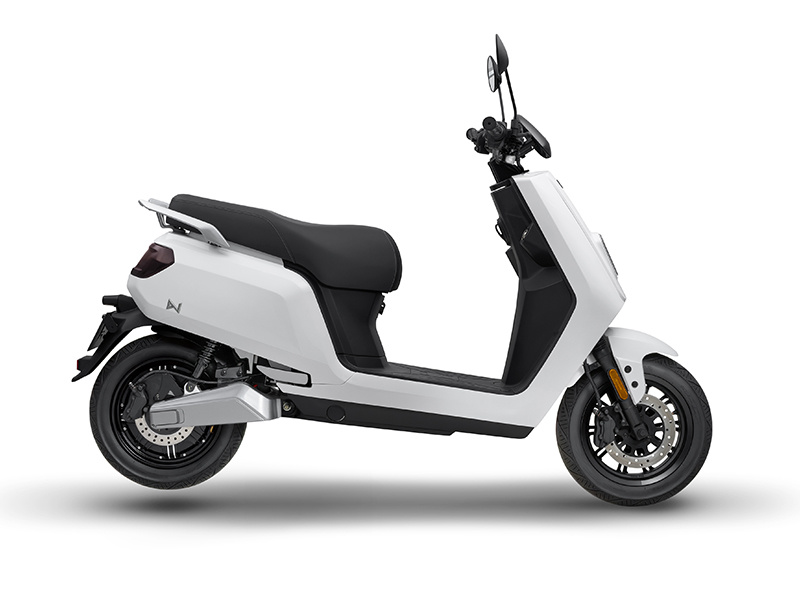
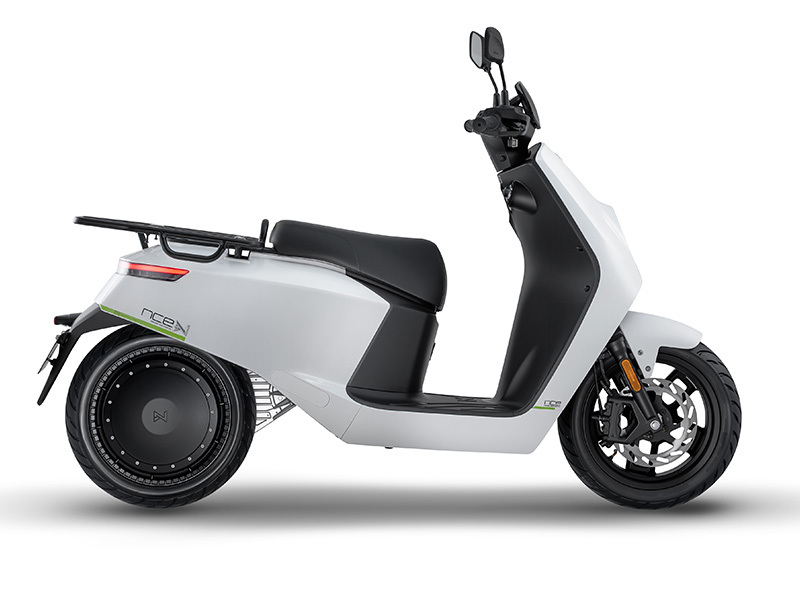
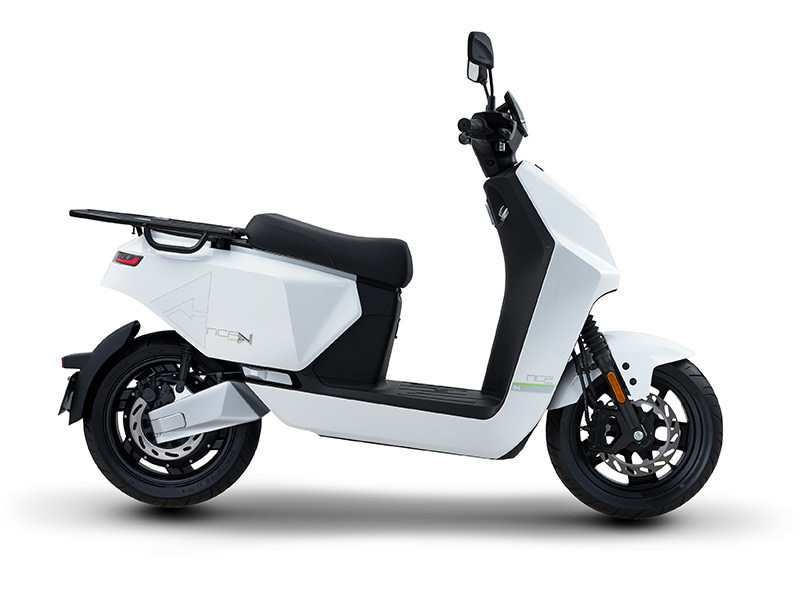
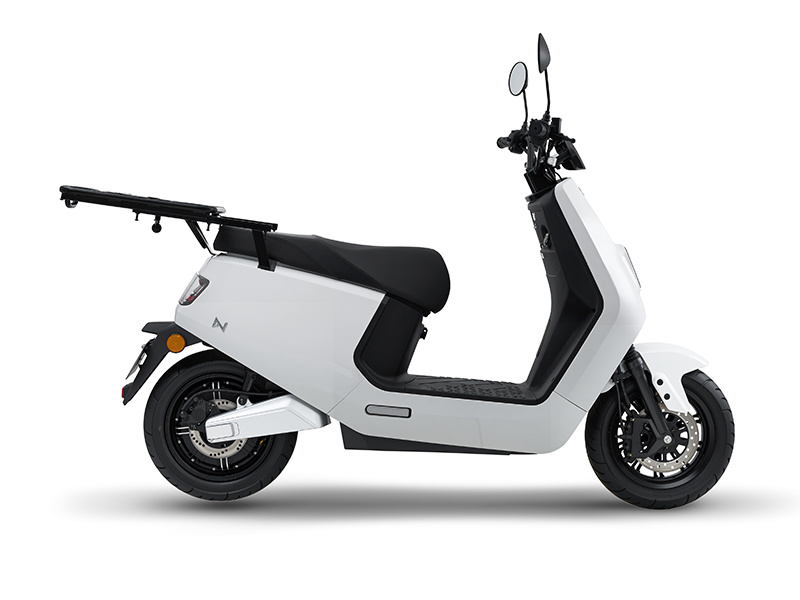
In recent years, the demand for **eco-friendly transportation** solutions has surged, driven by the urgency to combat climate change and reduce urban congestion. Among these solutions, **lithium electric motorcycles** have emerged as a compelling choice for both individual riders and delivery services. Their design not only promotes sustainability but also offers efficiency, making them an attractive alternative to conventional gasoline-powered motorcycles.
Lithium batteries, known for their lightweight and high energy density, power these electric motorcycles, allowing them to operate with minimal environmental impact. This article dives deep into the multifaceted advantages of lithium electric motorcycles, especially in the context of eco-friendly deliveries, highlighting their role in creating a sustainable future.
2. The Environmental Impact of Electric Motorcycles
One of the most significant advantages of lithium electric motorcycles is their **minimal environmental impact**. Unlike traditional motorcycles that rely on fossil fuels, electric motorcycles produce zero tailpipe emissions. This characteristic makes them a crucial component of urban transportation systems aiming to reduce air pollution.
**Electric motorcycles contribute to a reduced carbon footprint** in several ways:
- **Lower Greenhouse Gas Emissions:** When powered by renewable sources, like solar or wind energy, electric motorcycles can operate with minimal greenhouse gas emissions throughout their lifecycle.
- **Reduced Noise Pollution:** Electric motors are inherently quieter than combustion engines, contributing to reduced noise pollution in urban environments.
- **Recyclability of Battery Components:** Lithium batteries are increasingly being designed for recyclability, further mitigating environmental harm.
By integrating lithium electric motorcycles into delivery fleets, businesses can take significant strides toward enhancing their **sustainability goals**. These vehicles allow companies to demonstrate their commitment to eco-friendliness while appealing to environmentally conscious consumers.
3. Cost-Effectiveness of Lithium Electric Motorcycles
The **cost-effectiveness** of lithium electric motorcycles presents another compelling reason for their adoption, especially for delivery services. While the initial investment may be higher than traditional motorcycles, the long-term savings can be substantial.
- **Lower Operating Costs:** Electric motorcycles typically have fewer moving parts than their gasoline counterparts, resulting in lower maintenance costs. Furthermore, the cost of electricity for charging is significantly less than gasoline prices.
- **Incentives and Rebates:** Many governments offer incentives, tax rebates, and grants for electric vehicle purchases, making them more financially viable for businesses.
- **Longer Lifespan:** Lithium batteries generally have a longer lifespan compared to traditional lead-acid batteries, providing greater value over time.
By adopting lithium electric motorcycles, businesses can reduce operational costs while also aligning with sustainable practices that attract cost-conscious consumers.
4. Performance Advantages of Electric Motorcycles
When it comes to performance, lithium electric motorcycles often outperform traditional motorcycles in several key areas:
- **Instant Torque Delivery:** Electric motors provide immediate torque, allowing for rapid acceleration and a smoother ride. This feature is particularly advantageous in urban settings where quick maneuverability is essential.
- **Reduced Weight:** Lithium batteries are much lighter than traditional lead-acid batteries, contributing to a lower overall weight of the motorcycle. This reduction in weight enhances handling and performance.
- **Regenerative Braking Systems:** Many electric motorcycles are equipped with regenerative braking, allowing them to recover energy during braking, thus extending their range.
These performance advantages make lithium electric motorcycles not only efficient but also exciting to ride, appealing to both delivery services and individual consumers.
5. Enhancing Urban Mobility with Electric Motorcycles
Urban mobility is a crucial issue faced by cities worldwide, often marred by traffic congestion and pollution. Lithium electric motorcycles offer a practical solution to these challenges:
- **Narrow Parking Footprint:** Their compact size allows for easier parking, making them ideal for crowded urban areas where parking is a premium.
- **Lane Splitting Opportunities:** In many regions, electric motorcycles can take advantage of lane splitting, reducing time spent in traffic.
- **Improved Delivery Efficiency:** For delivery services, electric motorcycles can navigate through traffic more efficiently, leading to faster delivery times and lower fuel costs.
By incorporating lithium electric motorcycles into their fleet, businesses can significantly improve their operational efficiency while contributing to more sustainable urban environments.
6. The Importance of Charging Infrastructure
The expansion of **charging infrastructure** plays a critical role in the widespread adoption of lithium electric motorcycles. A robust network of charging stations can alleviate range anxiety—the fear of running out of battery power before reaching a charging point.
- **Home Charging Solutions:** Many electric motorcycle owners benefit from the convenience of charging their vehicles at home. This setup can be even more appealing for delivery services with central depots.
- **Public Charging Stations:** The growth of public charging stations in urban areas makes electric motorcycles more accessible to a broader audience, encouraging their use.
- **Fast Charging Technology:** Advances in fast charging technology are making it possible to recharge batteries within minutes, further enhancing the practicality of electric motorcycles for delivery purposes.
Investing in charging infrastructure is essential for both consumers and businesses to fully realize the potential of lithium electric motorcycles.
7. Future Trends in Lithium Electric Motorcycle Technology
As technology continues to evolve, several exciting trends are emerging in the field of lithium electric motorcycles:
- **Battery Technology Advancements:** Ongoing research into lithium-sulfur and solid-state batteries promises longer ranges and shorter charging times, revolutionizing electric motorcycle performance.
- **Smart Technology Integration:** The integration of IoT and smart technologies will enable advanced features such as predictive maintenance, GPS tracking, and enhanced safety systems.
- **Sustainability Initiatives:** As environmental concerns grow, manufacturers are increasingly focusing on sustainable production methods, including using recycled materials and reducing waste in the manufacturing process.
These trends indicate a bright future for lithium electric motorcycles, positioning them as a cornerstone of sustainable urban transportation.
8. Challenges Facing Electric Motorcycle Adoption
Despite their numerous advantages, several challenges must be addressed to facilitate the widespread adoption of lithium electric motorcycles:
- **Initial Cost Barriers:** While costs are decreasing, the upfront investment can still deter potential buyers.
- **Limited Range:** Although improving, the range of electric motorcycles may still not meet the needs of all consumers, particularly those requiring long-distance travel.
- **Charging Infrastructure Gaps:** In some regions, insufficient charging infrastructure continues to hinder the practicality of electric motorcycles.
Addressing these challenges through innovative solutions, improved technology, and expanded infrastructure is crucial for unlocking the full potential of electric motorcycles.
9. Conclusion
Lithium electric motorcycles represent a significant advancement in eco-friendly delivery solutions, combining sustainability with performance and cost-effectiveness. As cities grapple with the challenges of urban mobility and environmental degradation, these vehicles offer a promising pathway toward a cleaner, more efficient transportation future.
By adopting lithium electric motorcycles, businesses not only enhance their operational efficiency and reduce costs but also contribute meaningfully to environmental sustainability. As technology evolves and infrastructure expands, the advantages of electric motorcycles will only continue to grow, making them a vital component of modern transportation systems.
10. Frequently Asked Questions
What are lithium electric motorcycles?
Lithium electric motorcycles are two-wheeled vehicles powered by lithium-ion batteries, offering a zero-emission alternative to traditional combustion-engine motorcycles.
How do electric motorcycles contribute to environmental sustainability?
Electric motorcycles produce no tailpipe emissions, reduce greenhouse gas emissions when charged with renewable energy, and minimize noise pollution, making them environmentally friendly.
Are electric motorcycles cost-effective for delivery services?
Yes, electric motorcycles can lower operating costs through reduced maintenance, lower energy costs, and potential government incentives, making them financially viable for businesses.
What are the performance advantages of electric motorcycles?
Electric motorcycles provide instant torque, a lighter chassis, and regenerative braking capabilities, enhancing their performance in urban settings.
What challenges do electric motorcycles face in adoption?
Challenges include initial cost barriers, limited range, and insufficient charging infrastructure in some areas. Addressing these issues is essential for broader adoption.
What is the future of lithium electric motorcycles?
The future of lithium electric motorcycles looks promising, with advancements in battery technology, smart features, and sustainability initiatives paving the way for greater adoption and efficiency.
这里是标题一h1占位文字
Related News
The Cost-Effectiveness of Electric Motorcycles with Removable Batteries: An In-Depth Analysis
The Cost-Effectiveness of Electric Motorcycles with Removable Batteries Electric motorcycles represent a significant shift in how we perceive transportation. As the world grapples with the consequences of fossil fuel consumption and climate change, electric vehicles (EVs) — particularly those equipped with removable batteries — are emerging as viable, cost-effective alternatives. This article exam
The Allure of Electric Vintage Motorcycles: A Modern Twist on Classic Rides
As the world moves towards sustainable transportation, the appeal of electric motorcycles is becoming increasingly apparent, especially those that draw inspiration from vintage designs. Electric vintage motorcycles combine the nostalgic aesthetics of classic rides with the advanced technology of today, providing a unique experience for riders who appreciate both heritage and innovation. One of the
Discover the Groundbreaking Design Innovations of LVNENG Lithium Electric Motorcycles
Discover the Groundbreaking Design Innovations of LVNENG Lithium Electric Motorcycles Table of Contents 1. Introduction to LVNENG Lithium Electric Motorcycles 2. A Brief History of Electric Motorcycles 3. Key Design Innovations in LVNENG Motorcycles 3.1 Aerodynamic Design 3.2 Use of Lightweight Materials 3.3 Advanced Battery Technology
The Future of Delivery: Exploring Portable Battery Electric Motorcycles
As urbanization continues to grow, the demand for efficient delivery solutions has never been higher. Portable battery electric motorcycles are at the forefront of this transformation, offering a modern and eco-friendly alternative for businesses engaged in delivery services. These motorcycles are designed to be lightweight and compact, making them ideal for navigating congested urban environments
High Performance Electric Bikes: A New Era of Sustainable Transport
High Performance Electric Bikes: A New Era of Sustainable Transport Table of Contents 1. Introduction to High-Performance Electric Bikes 2. Benefits of High-Performance Electric Bikes 2.1 Eco-Friendly Transportation 2.2 Cost-Effective Commuting 2.3 Health Benefits of Riding 3. Key Features of High-Performance Electric Bikes 3.1 Advanced Battery Tech
Exploring Economical Lead Acid Electric Motorcycles for Urban Commuting
In recent years, the electric motorcycle market has seen a significant shift towards more sustainable and economical options, particularly in the realm of lead acid electric motorcycles. These vehicles are increasingly being recognized for their suitability in urban environments, combining affordability with practicality for daily commuting. One of the primary advantages of lead acid electric moto
Lead Acid Electric Motorcycles vs. Traditional Gas Motorcycles: A Comprehensive Comparison
Lead Acid Electric Motorcycles vs. Traditional Gas Motorcycles: A Comprehensive Guide Table of Contents Introduction to Motorcycling Options Understanding Lead Acid Electric Motorcycles How Lead Acid Batteries Work Benefits of Lead Acid Electric Motorcycles Exploring Traditional Gas Motorcycles How Gas Motorcycles Work
As urban areas continue to grapple with congestion and pollution, the transportation industry is seeking innovative solutions to enhance efficiency and sustainability. One such advancement is the rise of delivery electric motorcycles equipped with removable batteries. These vehicles not only contribute to reducing carbon footprints but also offer a host of practical benefits for businesses and cou
Quick Link
Contact Us
E-Mail::jambo@lvnengebike.com
Tel: 008615686400557
Address:Heng Shan Qiao Industrial Zone, Changzhou, Jiangsu Province, China