High Speed Lithium Electric Motorcycle
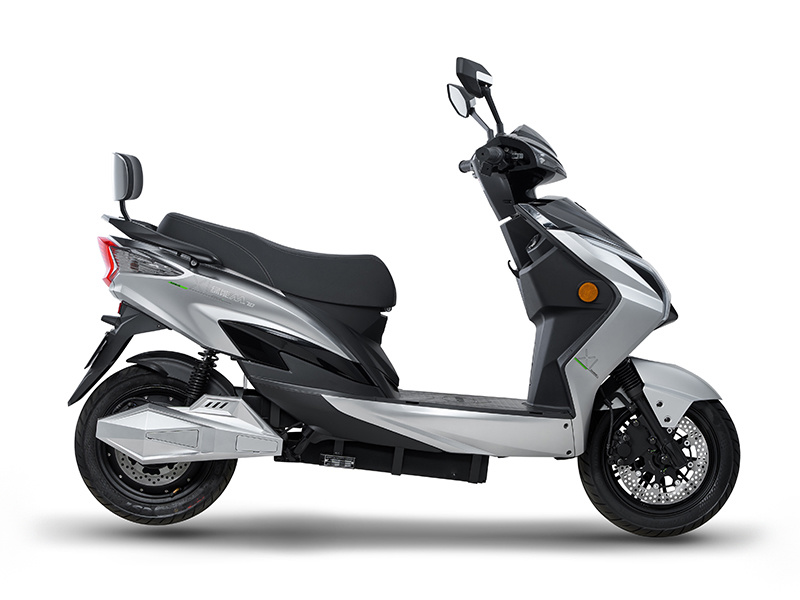
菜单
-
Lithium Electric Motorcycle
-
Lead Acid Electric MotorcycleLead Acid Electric Motorcycle
-
Sustainable
-
About Us
-
Blog
-
Contact Us
Address: Heng Shan Qiao Industrial Zone, Changzhou, Jiangsu Province, China
How Lead Acid Electric Motorcycles Are Revolutionizing City Commutes
How Lead Acid Electric Motorcycles Are Revolutionizing City Commutes Table of Contents 1. Introduction 2. What Are Lead Acid Electric Motorcycles? 3. Benefits of Lead Acid Electric Motorcycles 3.1 Eco-Friendly Transportation 3.2 Cost-Effectiveness 3.3 Low Maintenance Requirements 3.4 Convenience and Ease of Use 4. Technology Behind Lead Acid Electric M
Time:
2026-05-28 14:00
How Lead Acid Electric Motorcycles Are Revolutionizing City Commutes
Table of Contents
- 1. Introduction
- 2. What Are Lead Acid Electric Motorcycles?
- 3. Benefits of Lead Acid Electric Motorcycles
- 3.1 Eco-Friendly Transportation
- 3.2 Cost-Effectiveness
- 3.3 Low Maintenance Requirements
- 3.4 Convenience and Ease of Use
- 4. Technology Behind Lead Acid Electric Motorcycles
- 5. Impact on City Commuting
- 6. Challenges and Considerations
- 7. The Future of Lead Acid Electric Motorcycles
- 8. Conclusion
- 9. FAQs
1. Introduction
The rise of urbanization has brought with it a myriad of challenges, especially regarding transportation. In densely populated cities, the demand for efficient, sustainable commuting solutions has never been higher. Enter the **lead-acid electric motorcycle**—a revolutionary vehicle poised to transform how we navigate our daily commutes. These motorcycles combine the benefits of electric power with the practicalities of lead-acid battery technology, offering a unique solution to modern commuting challenges.
This article explores the multifaceted world of lead-acid electric motorcycles, detailing their benefits, technology, and future implications for urban transport.
2. What Are Lead Acid Electric Motorcycles?
Lead-acid electric motorcycles are two-wheeled vehicles powered by electric motors and fueled by **lead-acid batteries**. Unlike traditional motorcycles that rely on gasoline, these electric variants showcase a commitment to environmental sustainability and urban efficiency. Lead-acid batteries, while not the newest technology, have proven reliable and cost-effective in powering a range of electric vehicles.
These motorcycles come in various designs and specifications, catering to different commuting needs. From lightweight models ideal for short commutes to robust versions suitable for longer journeys, the versatility of lead-acid electric motorcycles is reshaping our perception of urban mobility.
3. Benefits of Lead Acid Electric Motorcycles
The advantages of adopting lead-acid electric motorcycles for city commutes are compelling. Below are the key benefits that position these vehicles as frontrunners in urban transport.
3.1 Eco-Friendly Transportation
One of the most significant advantages of lead-acid electric motorcycles is their **eco-friendliness**. These vehicles produce zero emissions during operation, contributing to cleaner air and reduced greenhouse gas emissions. As cities grapple with air pollution, adopting electric motorcycles can significantly lower the carbon footprint of daily commutes.
3.2 Cost-Effectiveness
Lead-acid electric motorcycles are often more affordable than their gasoline counterparts. The lower cost of electricity compared to gasoline translates to significant savings for daily commuters. Furthermore, the reduced maintenance costs associated with electric motors make these motorcycles an economically viable option for many urban dwellers.
3.3 Low Maintenance Requirements
Electric motorcycles require less maintenance than traditional vehicles due to fewer moving parts. Lead-acid batteries, while needing eventual replacement, do not demand the extensive upkeep associated with internal combustion engines. This translates to lower long-term costs for owners and less time spent in maintenance workshops.
3.4 Convenience and Ease of Use
Riding a lead-acid electric motorcycle simplifies the commuting experience. With no need for frequent fuel stops and the convenience of home charging, daily travel becomes hassle-free. Additionally, these motorcycles are typically lighter and easier to maneuver in congested areas, making urban navigation a breeze.
4. Technology Behind Lead Acid Electric Motorcycles
Understanding the technology behind lead-acid electric motorcycles is essential to appreciating their potential impact on city commuting.
4.1 Battery Designs and Performance
Lead-acid batteries are well-known for their reliability and performance. Modern advancements have improved their energy density and discharge rates, allowing for longer rides and better efficiency. These batteries come in various designs, including sealed lead-acid (SLA) and gel batteries, each offering unique advantages in terms of safety, maintenance, and performance.
4.2 Charging Infrastructure
As the demand for electric motorcycles increases, so does the need for robust charging infrastructure. Cities are gradually adopting more charging stations, making it easier for riders to recharge on the go. With the ability to charge at home overnight, the convenience factor remains high for daily commuters.
5. Impact on City Commuting
The adoption of lead-acid electric motorcycles significantly impacts urban commuting.
5.1 Reducing Traffic Congestion
By providing an alternative to larger vehicles, lead-acid electric motorcycles can help alleviate traffic congestion. Their compact size allows for easier parking and maneuverability through busy streets, enabling riders to navigate urban environments more efficiently.
5.2 Improving Air Quality
As cities face the repercussions of air pollution, integrating lead-acid electric motorcycles into the transportation ecosystem can lead to improved air quality. With zero tailpipe emissions, these motorcycles contribute to cleaner urban air, benefiting public health and the environment.
5.3 Enhancing Urban Mobility
Electric motorcycles enhance urban mobility by providing a flexible and efficient means of transport. They can easily integrate into public transportation systems, allowing users to cover the last mile more effectively. As a result, lead-acid electric motorcycles serve as a bridge between different modes of transport, fostering a more interconnected urban transport landscape.
6. Challenges and Considerations
While lead-acid electric motorcycles offer numerous benefits, certain challenges must be addressed to maximize their potential.
6.1 Battery Lifespan and Recycling
The lifespan of lead-acid batteries can vary, affecting the overall sustainability of electric motorcycles. Responsible disposal and recycling of these batteries are crucial to minimizing environmental impact. Establishing effective recycling programs can help ensure that old batteries are managed properly.
6.2 Public Perception and Adoption
Public perception plays a vital role in the widespread adoption of lead-acid electric motorcycles. Education and awareness campaigns are necessary to inform potential users about the benefits and advantages of these vehicles. Combating misconceptions and promoting positive experiences can enhance acceptance and encourage more riders to make the switch.
7. The Future of Lead Acid Electric Motorcycles
Looking ahead, the future of lead-acid electric motorcycles appears bright. As urban areas continue to grow, the demand for sustainable commuting options will increase. Innovations in battery technology, charging infrastructure, and design will drive further advancements in this sector.
Additionally, government incentives and support for electric vehicles may catalyze broader adoption. These initiatives can lead to more electric motorcycle models entering the market, catering to a wider audience and enhancing their relevance in urban commuting.
8. Conclusion
Lead-acid electric motorcycles represent a transformative shift in urban commuting. With their eco-friendly nature, cost-effectiveness, and convenience, they are well-positioned to meet the demands of modern city life. As technology evolves and infrastructure improves, these motorcycles will play an increasingly vital role in shaping sustainable urban transport futures.
Investing in lead-acid electric motorcycles is not merely a choice; it is a commitment to better living and sustainable practices. As we embrace this innovative solution, we pave the way for cleaner, more efficient cities, enhancing the quality of life for all urban residents.
9. FAQs
What is the range of lead-acid electric motorcycles?
The range varies based on the model and battery capacity, but many lead-acid electric motorcycles can travel between 40 to 100 miles on a single charge.
How long does it take to charge a lead-acid electric motorcycle?
Charging times can vary, but typically, it takes anywhere from 4 to 8 hours to fully charge a lead-acid electric motorcycle.
Are lead-acid electric motorcycles suitable for long-distance travel?
While they are primarily designed for city commuting, some models can be used for longer trips with proper planning regarding charging stations.
What are the maintenance costs associated with lead-acid electric motorcycles?
Maintenance costs are generally lower compared to traditional motorcycles, primarily involving battery checks and occasional replacements.
How do lead-acid electric motorcycles compare to lithium-ion electric motorcycles?
Lead-acid motorcycles are usually more affordable but heavier and have a shorter lifespan compared to their lithium-ion counterparts, which typically offer higher efficiency and longer ranges.
这里是标题一h1占位文字
Related News
The Advantages of Going Green with Lead Acid Electric Motorcycles: A Sustainable Revolution
The Advantages of Going Green with Lead Acid Electric Motorcycles Table of Contents 1. Introduction to Lead Acid Electric Motorcycles 2. Environmental Benefits of Electric Motorcycles 3. Economic Advantages of Lead Acid Electric Motorcycles 4. Performance and Reliability of Lead Acid Electric Motorcycles 5. Ease of Maintenance 6. Charging Infrastructure and Accessibility 7. Governme
In recent years, electric motorcycles have gained significant attention due to their potential to reduce carbon emissions and provide cost-effective transportation options. One notable advancement in this sector is the development of delivery electric motorcycles equipped with removable batteries. This feature greatly enhances the usability of electric motorcycles, making them an ideal choice for
Comprehensive Guide to Efficient Maintenance of Your Delivery Lithium Electric Motorcycle
How To Maintain Your Delivery Lithium Electric Motorcycle Efficiently Table of Contents 1. Introduction to Lithium Electric Motorcycles 2. The Importance of Regular Maintenance 3. Battery Care and Management 4. Tire Maintenance for Optimal Performance 5. Brake System Maintenance 6. Cleaning Your Electric Motorcycle 7. Troubleshooting Common Problems 8. Expert Tips
Embracing the Future: Compact Electric Urban Mobility Scooters
As urban spaces continue to grow, the need for efficient transportation options becomes increasingly critical. Compact electric urban mobility scooters are designed to address the challenges of congested city environments. Their small size allows for easy maneuverability in tight spaces, ensuring that users can navigate through traffic and crowded sidewalks effortlessly. This agility is a signific
Long Range Lithium Electric Motorcycle for Delivery: Go Farther, Deliver Smarter
Long range lithium electric motorcycle for delivery supports efficient urban transport with reliable battery power and reduced operating costs
Low Maintenance Lithium Electric Motorcycle: Ride More, Maintain Less
Low maintenance lithium electric motorcycle offers reliable performance, efficient charging, reduced upkeep, and eco-friendly daily transportation
Delivery Electric Motorcycle for Urban Logistics: Power Smarter City Deliveries
Delivery electric motorcycle for urban logistics enables efficient, low-cost city deliveries with zero tailpipe emissions and easy maneuverability
The Cost-Effectiveness of Electric Motorcycles with Removable Batteries: An In-Depth Analysis
The Cost-Effectiveness of Electric Motorcycles with Removable Batteries Electric motorcycles represent a significant shift in how we perceive transportation. As the world grapples with the consequences of fossil fuel consumption and climate change, electric vehicles (EVs) — particularly those equipped with removable batteries — are emerging as viable, cost-effective alternatives. This article exam
Quick Link
Contact Us
E-Mail::jambo@lvnengebike.com
Tel: 008615686400557
Address:Heng Shan Qiao Industrial Zone, Changzhou, Jiangsu Province, China