High Speed Lithium Electric Motorcycle
菜单
-
Lithium Electric Motorcycle
-
Lead Acid Electric MotorcycleLead Acid Electric Motorcycle
-
Sustainable
-
About Us
-
Blog
-
Contact Us
Address: Heng Shan Qiao Industrial Zone, Changzhou, Jiangsu Province, China
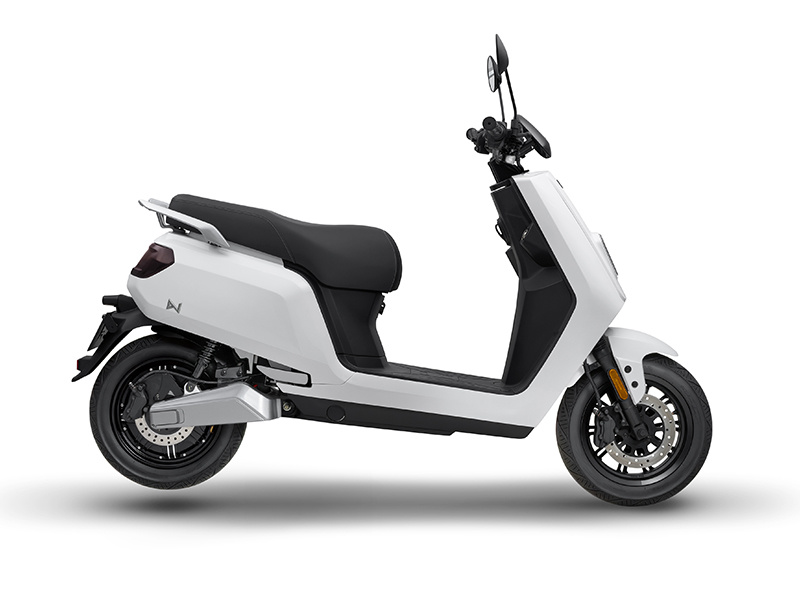
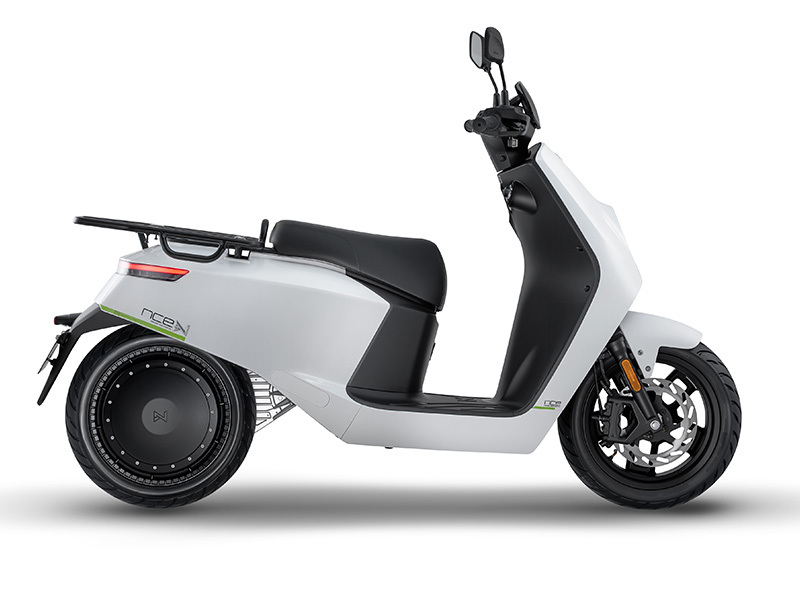
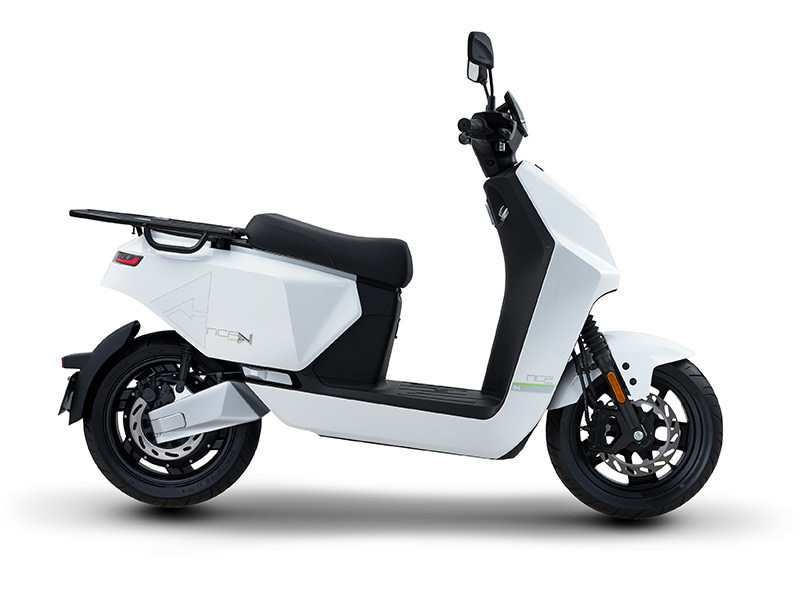
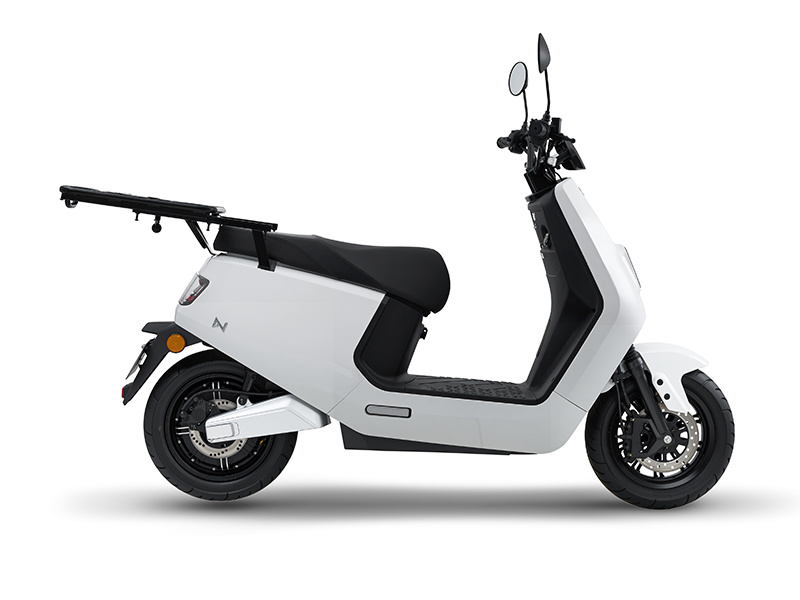
Lead Acid Electric Motorcycles: A Cost-Effective Commuting Solution for Urban Riders
Lead Acid Electric Motorcycles: A Cost-Effective Commuting Solution Table of Contents 1. Introduction to Lead Acid Electric Motorcycles 2. Benefits of Lead Acid Electric Motorcycles 3. Cost Analysis of Lead Acid Motorcycles 4. Performance Comparison with Gasoline Motorcycles 5. Environmental Impact of Electric Motorcycles 6. Charging Infrastructure and Range 7. Mainten
Time:
2026-06-22 14:50
Lead Acid Electric Motorcycles: A Cost-Effective Commuting Solution
Table of Contents
- 1. Introduction to Lead Acid Electric Motorcycles
- 2. Benefits of Lead Acid Electric Motorcycles
- 3. Cost Analysis of Lead Acid Motorcycles
- 4. Performance Comparison with Gasoline Motorcycles
- 5. Environmental Impact of Electric Motorcycles
- 6. Charging Infrastructure and Range
- 7. Maintenance and Longevity of Lead Acid Batteries
- 8. The Future of Lead Acid Electric Motorcycles
- 9. Frequently Asked Questions (FAQs)
- 10. Conclusion
1. Introduction to Lead Acid Electric Motorcycles
The surge in urban traffic congestion and the escalating costs of fuel have prompted many commuters to seek alternative transportation solutions. **Lead acid electric motorcycles** have emerged as a viable option, offering a blend of affordability, efficiency, and convenience. These motorcycles utilize lead acid batteries, which are cost-effective and widely available, making them an attractive choice for daily commuters.
In this article, we will explore how lead acid electric motorcycles can transform urban commuting by providing a cost-effective and sustainable alternative to traditional gasoline-powered vehicles.
2. Benefits of Lead Acid Electric Motorcycles
The advantages of lead acid electric motorcycles extend beyond mere cost savings. Here are several key benefits:
2.1 Economic Affordability
Lead acid electric motorcycles typically come with a lower initial purchase price compared to their lithium-ion counterparts. Their batteries are also generally less expensive to replace, making them an economical option for budget-conscious riders.
2.2 Reduced Operating Costs
The operational efficiency of electric motorcycles significantly reduces fuel and maintenance expenses. Charging costs are substantially lower than gasoline prices, and electric motors have fewer moving parts, leading to lower maintenance fees.
2.3 Noise Reduction
Electric motorcycles are significantly quieter than traditional gas-powered bikes. This reduction in noise pollution creates a more pleasant riding experience and contributes to a quieter urban environment.
2.4 Accessibility and Availability
Lead acid batteries are widely produced and easy to find, ensuring that riders can easily source replacement batteries without hassle. This accessibility further enhances the practicality of lead acid electric motorcycles.
3. Cost Analysis of Lead Acid Motorcycles
When evaluating the financial aspect of lead acid electric motorcycles, it's essential to look at both upfront and long-term costs.
3.1 Initial Investment
The average cost of a lead acid electric motorcycle ranges from $1,500 to $3,000, depending on the model and features. This initial investment is often lower than that of traditional motorcycles, making it an attractive option for first-time buyers.
3.2 Long-Term Savings
Over time, riders can save significantly on fuel costs, which can average $0.02 to $0.05 per mile for electric motorcycles, compared to $0.10 to $0.15 per mile for gasoline motorcycles. Additionally, reduced maintenance costs enhance overall savings.
3.3 Government Incentives
Many governments offer incentives for electric vehicle purchases, including tax credits and rebates, which can further lower the effective purchase price of lead acid electric motorcycles.
4. Performance Comparison with Gasoline Motorcycles
While performance is a crucial factor for any motorcycle rider, lead acid electric motorcycles provide surprising capabilities.
4.1 Speed and Acceleration
Lead acid electric motorcycles can reach speeds of up to 60 mph, making them suitable for urban commuting. Acceleration may vary, but many models compete favorably with traditional gas-powered bikes.
4.2 Range Considerations
The range of lead acid electric motorcycles is typically lower than that of lithium-ion models, averaging around 30 to 50 miles on a single charge. However, this distance is often sufficient for daily commutes in urban settings.
4.3 Handling and Comfort
Most lead acid electric motorcycles are designed with comfort in mind, boasting ergonomic seating and easy maneuverability. This makes them perfect for navigating busy city streets.
5. Environmental Impact of Electric Motorcycles
As urban areas grapple with pollution and climate change, the environmental benefits of electric motorcycles are becoming increasingly significant.
5.1 Reduced Carbon Footprint
Switching to lead acid electric motorcycles can lead to a substantial reduction in greenhouse gas emissions. By using electric power instead of fossil fuels, riders contribute to cleaner air and a healthier environment.
5.2 Sustainable Energy Sources
With the potential to charge from renewable energy sources, lead acid electric motorcycles support sustainable practices and reduce dependency on non-renewable energy.
5.3 Eco-Friendly Manufacturing
The production of electric motorcycles, particularly those utilizing lead acid batteries, is progressing towards more sustainable methods. Manufacturers are increasingly focusing on eco-friendly materials and processes.
6. Charging Infrastructure and Range
The expansion of charging infrastructure is pivotal for the adoption of electric motorcycles.
6.1 Home Charging Solutions
Most lead acid electric motorcycle owners can conveniently charge their bikes at home. Installing a standard 110V outlet is generally enough to support charging overnight, allowing for full readiness by morning.
6.2 Public Charging Stations
The growing network of public charging stations in urban areas makes it easier for riders to recharge while on the go. Some city infrastructures now support charging stations specifically for electric motorcycles.
6.3 Charging Time Considerations
Charging a lead acid battery typically takes longer than a lithium-ion equivalent, often ranging from 6 to 8 hours. Understanding this time requirement helps riders plan their commutes effectively.
7. Maintenance and Longevity of Lead Acid Batteries
Proper maintenance is essential for maximizing the lifespan of lead acid batteries used in electric motorcycles.
7.1 Battery Care Tips
To ensure optimal performance, it is crucial to regularly check battery connections, keep terminals clean, and avoid deep discharging. Following these simple maintenance practices can prolong battery life.
7.2 Lifespan of Lead Acid Batteries
Lead acid batteries typically have a lifespan of 3 to 5 years with proper care. Riders should prepare for battery replacement as part of their overall ownership experience.
7.3 Troubleshooting Common Issues
Common issues with lead acid batteries can include sulfation and capacity loss. Recognizing these problems early allows for timely interventions and maintains the efficiency of the motorcycle.
8. The Future of Lead Acid Electric Motorcycles
The future of lead acid electric motorcycles appears promising as technology evolves and consumer preferences shift.
8.1 Technological Advancements
Ongoing innovations in battery technology are likely to enhance the performance and range of lead acid electric motorcycles. Continued research may lead to improvements in charging speeds and battery longevity.
8.2 Market Trends
With the increasing focus on sustainable transportation, the market for electric motorcycles, including those with lead acid batteries, is expected to expand rapidly.
8.3 Community Support and Adoption
As communities embrace greener transportation solutions, the acceptance and adoption of lead acid electric motorcycles will grow. This cultural shift fosters collaboration among manufacturers, riders, and policymakers.
9. Frequently Asked Questions (FAQs)
9.1 What is the average range of lead acid electric motorcycles?
The average range is typically between 30 to 50 miles on a full charge, making it suitable for short to medium commutes.
9.2 How long does it take to charge a lead acid motorcycle?
Charging usually takes between 6 to 8 hours, depending on the battery capacity and the charging infrastructure available.
9.3 Are lead acid electric motorcycles suitable for long-distance travel?
While primarily designed for urban commuting, they may not be ideal for long-distance travel due to limited range and charging time.
9.4 What maintenance is required for lead acid electric motorcycles?
Basic maintenance includes checking battery connections, cleaning terminals, and avoiding deep discharges to prolong battery life.
9.5 Are there any government incentives for purchasing electric motorcycles?
Many regions offer financial incentives, such as tax credits or rebates, to encourage the adoption of electric vehicles, including motorcycles.
10. Conclusion
Lead acid electric motorcycles represent a **cost-effective** and environmentally friendly commuting solution that caters to the modern urban rider. With benefits ranging from reduced operating costs to minimal environmental impact, these motorcycles are a smart choice for those looking to navigate the challenges of urban commuting.
As technological advancements continue to evolve and infrastructure improves, the future of lead acid electric motorcycles looks bright. By choosing this sustainable mode of transportation, riders not only save money but also contribute positively to their communities and the environment. Embrace the change and consider making the switch to a lead acid electric motorcycle for your daily commute.
这里是标题一h1占位文字
Related News
Discovering the Benefits of Economical Lead Acid Electric Motorcycles for Urban Commuting
In recent years, the urban transportation landscape has seen a significant shift towards more sustainable and cost-effective solutions. One such option is the economical lead acid electric motorcycle, specifically designed for city commuting. These motorcycles offer various advantages that make them an appealing choice for adults seeking efficient and eco-friendly modes of transport. First and for
The Advantages of Going Green with Lead Acid Electric Motorcycles: A Sustainable Revolution
The Advantages of Going Green with Lead Acid Electric Motorcycles Table of Contents 1. Introduction to Lead Acid Electric Motorcycles 2. Environmental Benefits of Electric Motorcycles 3. Economic Advantages of Lead Acid Electric Motorcycles 4. Performance and Reliability of Lead Acid Electric Motorcycles 5. Ease of Maintenance 6. Charging Infrastructure and Accessibility 7. Governme
In recent years, electric motorcycles have gained significant attention due to their potential to reduce carbon emissions and provide cost-effective transportation options. One notable advancement in this sector is the development of delivery electric motorcycles equipped with removable batteries. This feature greatly enhances the usability of electric motorcycles, making them an ideal choice for
Comprehensive Guide to Efficient Maintenance of Your Delivery Lithium Electric Motorcycle
How To Maintain Your Delivery Lithium Electric Motorcycle Efficiently Table of Contents 1. Introduction to Lithium Electric Motorcycles 2. The Importance of Regular Maintenance 3. Battery Care and Management 4. Tire Maintenance for Optimal Performance 5. Brake System Maintenance 6. Cleaning Your Electric Motorcycle 7. Troubleshooting Common Problems 8. Expert Tips
Embracing the Future: Compact Electric Urban Mobility Scooters
As urban spaces continue to grow, the need for efficient transportation options becomes increasingly critical. Compact electric urban mobility scooters are designed to address the challenges of congested city environments. Their small size allows for easy maneuverability in tight spaces, ensuring that users can navigate through traffic and crowded sidewalks effortlessly. This agility is a signific
Long Range Lithium Electric Motorcycle for Delivery: Go Farther, Deliver Smarter
Long range lithium electric motorcycle for delivery supports efficient urban transport with reliable battery power and reduced operating costs
Low Maintenance Lithium Electric Motorcycle: Ride More, Maintain Less
Low maintenance lithium electric motorcycle offers reliable performance, efficient charging, reduced upkeep, and eco-friendly daily transportation
Delivery Electric Motorcycle for Urban Logistics: Power Smarter City Deliveries
Delivery electric motorcycle for urban logistics enables efficient, low-cost city deliveries with zero tailpipe emissions and easy maneuverability
Quick Link
Contact Us
E-Mail::jambo@lvnengebike.com
Tel: 008615686400557
Address:Heng Shan Qiao Industrial Zone, Changzhou, Jiangsu Province, China