High Speed Lithium Electric Motorcycle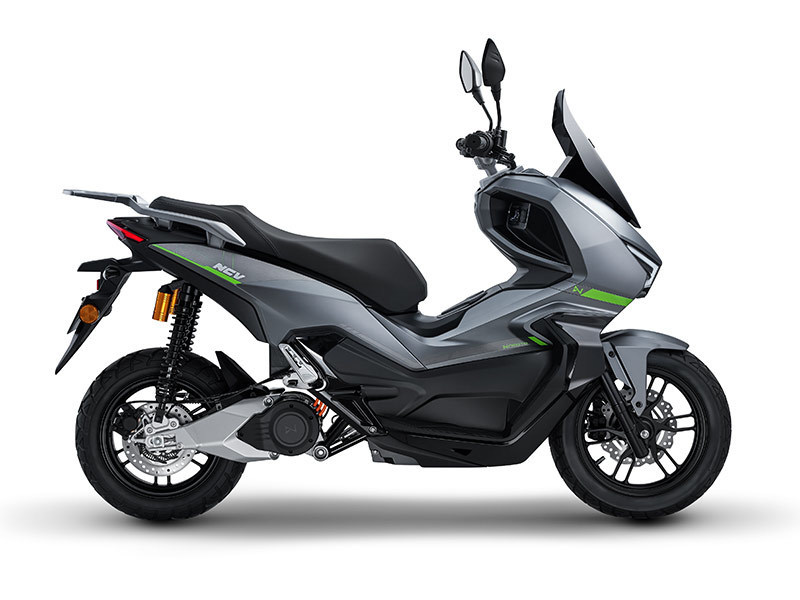
菜单
-
Lithium Electric Motorcycle
-
Lead Acid Electric MotorcycleLead Acid Electric Motorcycle
-
Sustainable
-
About Us
-
Blog
-
Contact Us
Address: Heng Shan Qiao Industrial Zone, Changzhou, Jiangsu Province, China
Experience the Thrill: The Science Behind High Performance Electric Bikes
Experience the Thrill: The Science Behind High Performance Electric Bikes Electric bikes, or e-bikes, are revolutionizing the way we ride. With the rise of technology and innovation, high-performance electric bikes have emerged as a leading choice for enthusiasts seeking speed, efficiency, and environmental sustainability. In this comprehensive article, we explore the intricate science and enginee
Time:
2026-07-04 13:50
Experience the Thrill: The Science Behind High Performance Electric Bikes
Electric bikes, or e-bikes, are revolutionizing the way we ride. With the rise of technology and innovation, high-performance electric bikes have emerged as a leading choice for enthusiasts seeking speed, efficiency, and environmental sustainability. In this comprehensive article, we explore the intricate science and engineering behind high-performance electric bikes, examining their components, advantages, and future potential.
Table of Contents
- Understanding Electric Bikes
- Key Components of High-Performance Electric Bikes
- Motor Technology: The Heart of Performance
- Battery Life and Efficiency: Powering the Ride
- Design Innovation in Electric Bikes: Aerodynamics and Materials
- Safety Features in High-Performance Electric Bikes
- Environmental Impact of Electric Bikes
- Future Trends in Electric Motorcycles
- Frequently Asked Questions (FAQs)
- Conclusion
Understanding Electric Bikes
Electric bikes combine traditional cycling with modern technology. They feature a motor that assists the rider, making pedaling easier and allowing for increased speeds without the physical exertion typical of conventional bicycles. The electric motor can operate independently or in conjunction with the rider's pedaling power, providing versatility in navigating diverse terrains.
High-performance electric bikes take this concept further, incorporating advanced technology designed for speed, agility, and enhanced efficiency. These bikes cater to both casual riders and competitive enthusiasts, offering a thrilling experience that transcends traditional cycling.
Key Components of High-Performance Electric Bikes
The performance of an electric bike is heavily influenced by its components. Understanding these parts is crucial in appreciating the overall riding experience. Here are the key components that distinguish high-performance electric bikes:
1. Electric Motor
The electric motor is the core of any electric bike. High-performance models feature powerful motors that deliver instant torque, allowing for rapid acceleration. Motors are typically rated in watts, with higher wattage indicating greater power. Performance models often have motors ranging from 750W to 3000W, providing a thrilling ride that can reach speeds of up to 40 mph.
2. Battery
The battery is another critical component of an electric bike. High-performance bikes utilize advanced lithium-ion batteries, which offer a higher energy density and longer lifespan compared to traditional lead-acid batteries. The capacity of these batteries is measured in amp-hours (Ah), with a larger capacity allowing for longer rides without the need for frequent recharging.
3. Controller
The controller regulates the power delivered from the battery to the motor. High-performance electric bikes come equipped with sophisticated controllers capable of adjusting power output based on rider input and terrain conditions. This technology enhances the riding experience by providing smooth acceleration and responsive handling.
4. Braking System
Safety is paramount, especially at high speeds. High-performance electric bikes are equipped with advanced braking systems, often featuring hydraulic disc brakes. These brakes offer superior stopping power and modulation, ensuring riders can safely decelerate even in challenging conditions.
5. Frame and Suspension
The frame of an electric bike affects its overall performance and ride quality. High-performance models often use lightweight materials such as aluminum or carbon fiber, enhancing agility without compromising strength. Additionally, a quality suspension system absorbs shocks from bumps and uneven terrain, resulting in a smoother ride.
Motor Technology: The Heart of Performance
The motor technology utilized in high-performance electric bikes is constantly evolving. Most modern electric bikes use either hub motors or mid-drive motors, each with its unique advantages.
Hub Motors
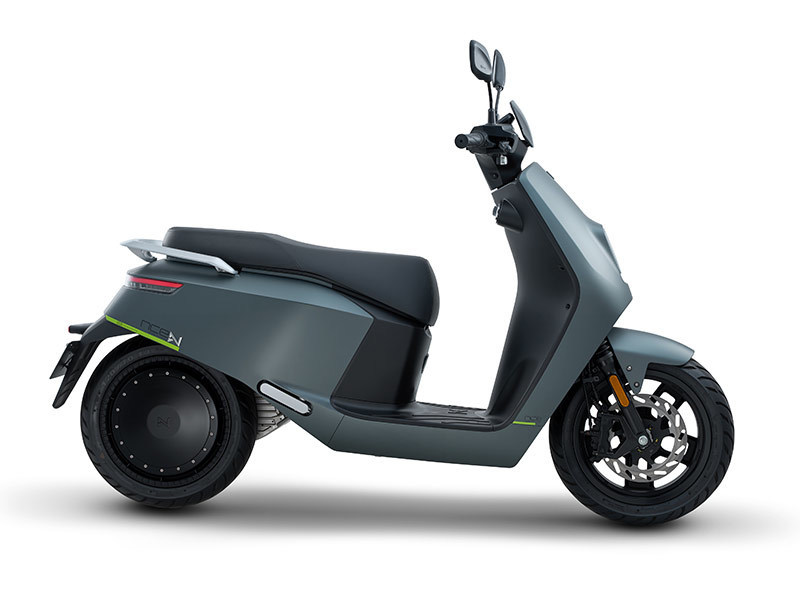
Hub motors are located in the wheel hub and provide direct power to the wheel. This design simplifies the bike's overall structure and improves maintenance. They are known for their quiet operation and low maintenance needs, making them a popular choice among casual riders.
Mid-Drive Motors
Mid-drive motors, on the other hand, are positioned near the bike's crankset, allowing for better weight distribution and improved handling. They provide more torque, making them ideal for climbing hills and rugged terrains. High-performance electric bikes often favor mid-drive motors for their superior power delivery and efficiency.
Battery Life and Efficiency: Powering the Ride
Battery performance is critical in determining the riding experience. High-performance electric bikes utilize lithium-ion batteries due to their high energy density, which translates into longer rides. Riders can often expect ranges of 40 to 100 miles on a single charge, depending on factors such as terrain, rider weight, and power settings.
Battery management systems (BMS) are integrated into high-performance models to optimize battery life and prevent overcharging. These systems monitor various parameters, ensuring the battery operates within safe limits and extends its lifespan. This technological advancement is essential for riders who demand both power and sustainability.
Design Innovation in Electric Bikes: Aerodynamics and Materials
The design of high-performance electric bikes is not just about aesthetics; it's about enhancing performance through innovative engineering. Key factors include aerodynamics, weight distribution, and material selection.
Aerodynamic Design
High-performance bikes often feature sleek, aerodynamic designs that reduce wind resistance, enabling higher speeds and improved efficiency. Designers employ computational fluid dynamics (CFD) simulations to create shapes that minimize drag while maximizing stability.
Material Selection
Weight plays a significant role in high-performance electric bikes. Manufacturers increasingly use lightweight materials like carbon fiber and aluminum alloys to construct frames and components, ensuring durability without adding unnecessary weight. This strategic material choice enhances overall performance and rider control.
Safety Features in High-Performance Electric Bikes
Safety is a critical consideration in high-performance electric bike design. Riders need to feel confident at high speeds, which is why manufacturers incorporate various safety features:
1. Advanced Braking Systems
As mentioned earlier, hydraulic disc brakes provide superior stopping power. Additionally, some high-performance electric bikes come with regenerative braking systems, which recover energy during braking and enhance battery efficiency.
2. Integrated Lighting Systems
Many electric bikes now include integrated lighting systems to improve visibility during nighttime riding. These lights are often powered by the bike's battery, ensuring riders remain visible to others on the road.
3. Smart Technology
Smart features like GPS tracking and mobile app connectivity enhance safety by enabling riders to monitor their bike's status and location. Some models even offer ride statistics and maintenance reminders, allowing riders to keep their bikes in top condition.
Environmental Impact of Electric Bikes
Electric bikes present a sustainable alternative to traditional motor vehicles, contributing to reduced carbon emissions and less congestion in urban areas. By utilizing electric power, these bikes reduce the reliance on fossil fuels and lower greenhouse gas emissions.
Moreover, the energy consumption of electric bikes is significantly lower than that of gas-powered motorcycles and cars. As battery technology continues to advance, the environmental footprint of electric bikes will further decrease, making them an even more eco-friendly option for transportation.
Future Trends in Electric Motorcycles
The future of high-performance electric bikes looks promising, with several trends emerging that signal advancements in technology and design:
1. Enhanced Battery Technology
Future innovations in battery technology will likely lead to even more efficient and longer-lasting batteries. Solid-state batteries, for instance, promise to offer higher energy densities and faster charging times, enabling riders to travel further without downtime.
2. Smart Connectivity
As technology advances, electric bikes will increasingly integrate smart features, such as advanced navigation systems, ride analytics, and remote diagnostics. These features will enhance the overall riding experience and provide riders with valuable insights into their performance.
3. Customization and Personalization
With the rise of digital manufacturing technologies, such as 3D printing, customized electric bikes are becoming a reality. Riders will have the option to personalize their bikes according to their preferences, enhancing both aesthetics and performance.
Frequently Asked Questions (FAQs)
1. What is the average range of a high-performance electric bike?
The average range typically falls between 40 to 100 miles on a single charge, depending on factors such as battery capacity, rider weight, terrain, and power settings.
2. How fast can high-performance electric bikes go?
High-performance electric bikes can reach speeds of up to 40 mph or more, depending on the motor power and design.
3. Are high-performance electric bikes suitable for off-road riding?
Yes, many high-performance electric bikes are designed for off-road riding, equipped with robust motors and suspension systems to handle rugged terrains effectively.
4. How often do I need to charge my electric bike?
Charging frequency depends on your riding habits. If you ride daily, you may need to charge your bike every few days, whereas occasional riders may only need to charge once a week or longer.
5. What maintenance is required for electric bikes?
Regular maintenance includes checking brake and tire conditions, cleaning the chain, and ensuring the battery is functioning correctly. It's also advisable to have the bike serviced by a professional at least once a year.
Conclusion
High-performance electric bikes offer an exciting blend of cutting-edge technology, innovative design, and eco-friendly transportation. As we move towards a future that increasingly embraces sustainability, electric bikes stand at the forefront of this transformation, providing riders with speed, efficiency, and unparalleled enjoyment. With ongoing advancements in motor technology, battery life, and safety features, the thrill of riding high-performance electric bikes will continue to captivate enthusiasts worldwide. Whether you are a seasoned rider or new to the world of electric bikes, experiencing their performance firsthand is an adventure that promises to deliver excitement and satisfaction like no other.
这里是标题一h1占位文字
Related News
Revolutionizing City Travel: The Compact Electric Urban Mobility Scooter
In recent years, the shift towards sustainable transportation solutions has gained momentum, leading to the rise of electric urban mobility scooters. These compact vehicles offer an innovative alternative to traditional modes of transport, especially in congested urban environments. Designed for efficiency and convenience, electric urban mobility scooters are becoming increasingly popular among ad
Overcoming Range Anxiety: The Benefits of Removable Batteries for Electric Motorcycles
Overcoming Range Anxiety: The Benefits of Removable Batteries for Electric Motorcycles Table of Contents Understanding Range Anxiety in Electric Motorcycles The Role of Batteries in Electric Motorcycles What Are Removable Batteries? Advantages of Removable Batteries for Electric Motorcycles Enhanced Convenience and Flexibility Improving the Riding Experience with Removable
Removable Lithium Battery Motorbike: Flexible Power for Smarter Urban Travel
Removable lithium battery motorbikes offer flexible charging, easy battery handling, efficient power, and convenient urban mobility
Stable Electric Motorbike: Smooth, Confident Mobility for Everyday Travel
Stable electric motorbikes offer smooth rides, reliable power, safe handling, and practical mobility for daily use
Lead Acid Electric Motorcycle: A Practical Ride for Smarter Everyday Mobility
Lead acid electric motorcycles offer affordable mobility, easy charging, steady performance, and practical urban ranges
The Allure of Vintage Electric Motorcycles: A Fusion of Classic Charm and Modern Innovation
The electric motorcycle vintage segment represents a fascinating intersection of nostalgia and innovation. For enthusiasts, these motorcycles embody a retro flair while embracing the advancements in electric mobility. As the demand for sustainable transportation increases, vintage electric motorcycles are becoming more appealing, offering a blend of style, efficiency, and eco-friendliness. One of
LVNENG Lithium Electric Motorcycle: A Smart Investment for a Sustainable Future
LVNENG Lithium Electric Motorcycle: A Smart Investment for the Future Table of Contents 1. Introduction to Electric Motorcycles 2. Overview of LVNENG Lithium Electric Motorcycle 3. Key Features of the LVNENG Electric Motorcycle 3.1 Advanced Lithium Battery Technology 3.2 Impressive Range and Performance 3.3 Smart Connectivity and Design 4. Environmental Benefits of Choosing Electri
The Rise of Portable Battery Electric Motorcycles for Delivery: A Sustainable Solution
The demand for efficient and sustainable delivery solutions has led to the emergence of portable battery electric motorcycles tailored for delivery purposes. These vehicles are designed not only for convenience but also for minimizing environmental impact, making them an ideal choice for businesses looking to embrace eco-friendly practices. Portable battery electric motorcycles are powered by adva
Quick Link
Contact Us
E-Mail:gleen@lvnengebike.com
Tel: 008617721702600
Address:Heng Shan Qiao Industrial Zone, Changzhou, Jiangsu Province, China