High Speed Lithium Electric Motorcycle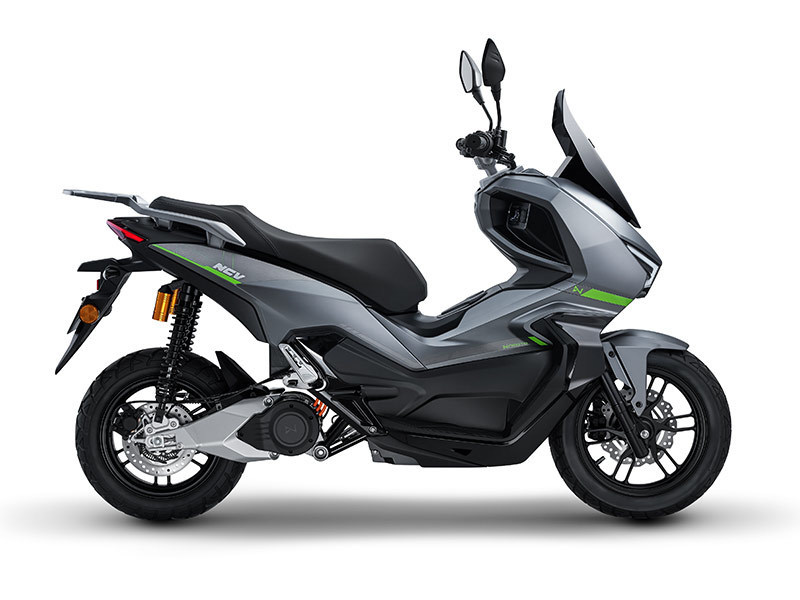
菜单
-
Lithium Electric Motorcycle
-
Lead Acid Electric MotorcycleLead Acid Electric Motorcycle
-
Sustainable
-
About Us
-
Blog
-
Contact Us
Address: Heng Shan Qiao Industrial Zone, Changzhou, Jiangsu Province, China
Safety First: Essential Riding Tips for Your LVNENG Lithium Electric Motorcycle
Safety First: Essential Riding Tips for Your LVNENG Lithium Electric Motorcycle As electric motorcycles gain popularity, the LVNENG lithium electric motorcycle stands out as a top choice for riders seeking efficiency and sustainability. However, riding an electric motorcycle comes with its unique set of challenges and considerations. Understanding how to navigate these challenges while prioritizin
Time:
2026-07-07 15:10
Safety First: Essential Riding Tips for Your LVNENG Lithium Electric Motorcycle
As electric motorcycles gain popularity, the LVNENG lithium electric motorcycle stands out as a top choice for riders seeking efficiency and sustainability. However, riding an electric motorcycle comes with its unique set of challenges and considerations. Understanding how to navigate these challenges while prioritizing safety is crucial for an enjoyable riding experience. In this guide, we will explore essential riding tips to keep you safe and maximize your enjoyment on your LVNENG lithium electric motorcycle.
Table of Contents
- 1. Understanding Your LVNENG Lithium Electric Motorcycle
- 2. Essential Pre-Ride Safety Checks
- 3. Mastering the Basics of Electric Motorcycle Riding
- 4. Advanced Riding Techniques for Safety
- 5. Riding in Various Weather Conditions
- 6. The Importance of Protective Gear
- 7. Maintaining Your LVNENG Electric Motorcycle
- 8. Frequently Asked Questions
- 9. Conclusion
1. Understanding Your LVNENG Lithium Electric Motorcycle
Before embarking on your journey, it’s essential to familiarize yourself with your LVNENG lithium electric motorcycle. Understanding its specifications and features can significantly enhance your riding experience.
1.1 Key Features of LVNENG Electric Motorcycles
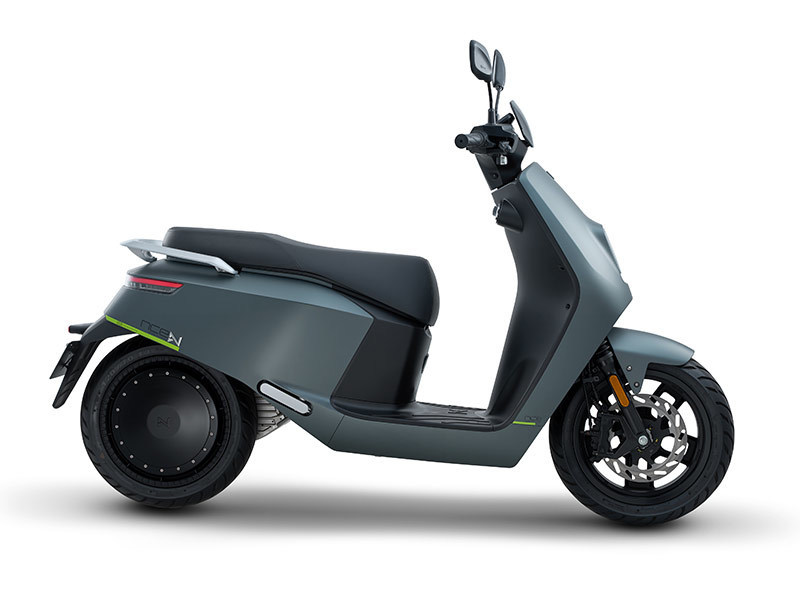
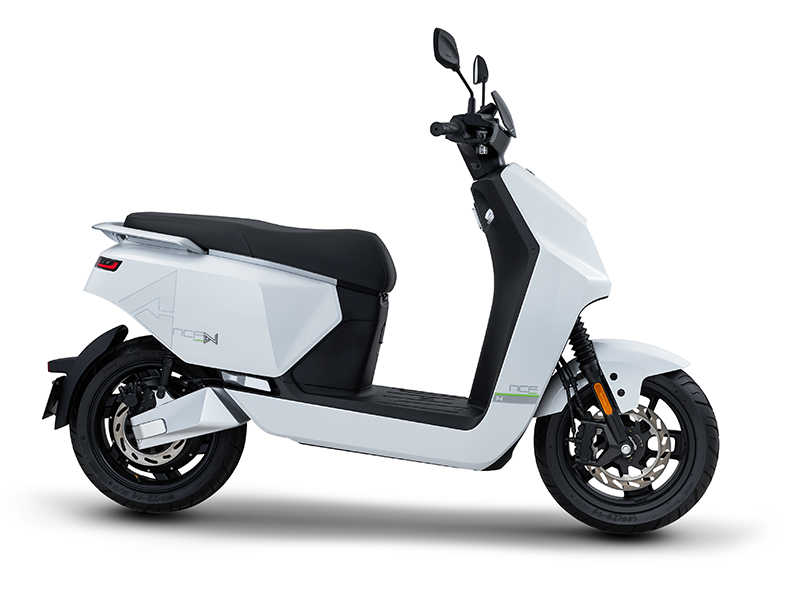
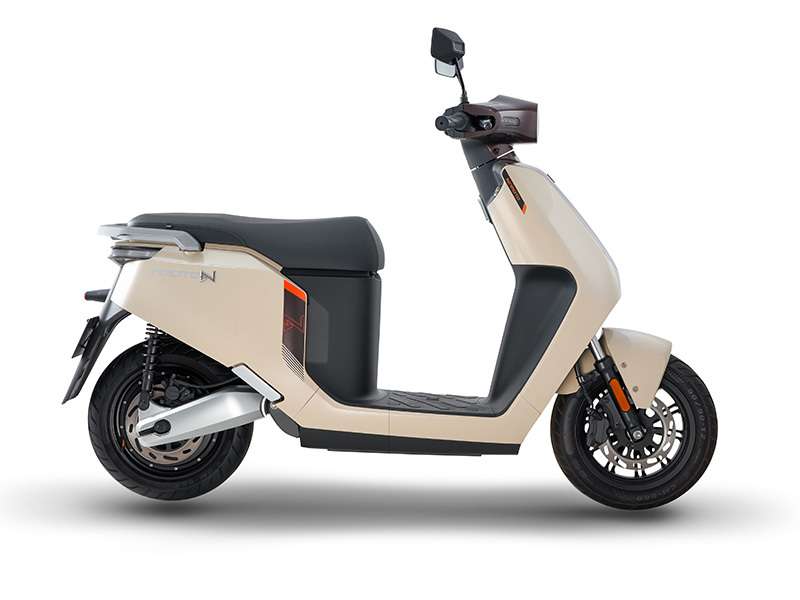
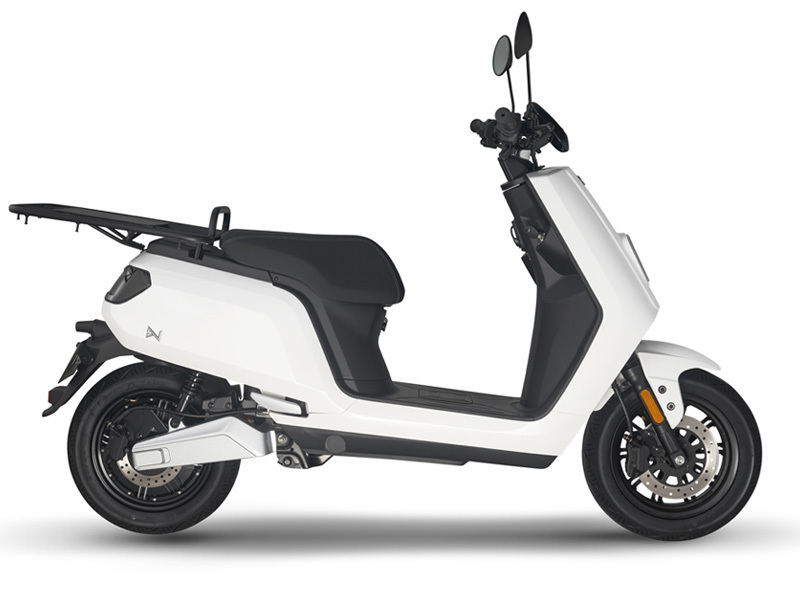
The LVNENG electric motorcycle boasts a high-capacity lithium battery, offering impressive range and performance. With a lightweight frame and advanced electric motor technology, it delivers quick acceleration and smooth handling. Additionally, many models come equipped with regenerative braking systems, providing energy efficiency and extending battery life.
1.2 Battery Management and Monitoring
Monitoring your battery status is critical for electric motorcycle riders. Familiarize yourself with the battery management system (BMS) of your LVNENG motorcycle. This system not only displays battery levels but also informs you about charging times and maintenance needs. A well-maintained battery ensures optimal performance and longevity.
2. Essential Pre-Ride Safety Checks
Prior to hitting the road, conducting a thorough pre-ride safety check is a fundamental aspect of motorcycle safety. Here are essential checks to perform:
2.1 Tire Inspection
Inspect your tires for proper inflation and tread wear. Under-inflated or worn-out tires can significantly impact your handling and braking distances. Ensure that they meet the manufacturer’s specifications for pressure and tread depth.
2.2 Brake Functionality
Test both front and rear brakes to ensure they engage smoothly. Any unusual sounds or vibrations could indicate a need for maintenance. Responsible riders always prioritize functional brakes.
2.3 Lights and Signals
Check that all lights, including headlights, taillights, and turn signals, are operational. Proper visibility to other road users is crucial, especially during low-light conditions.
2.4 Battery Check
Confirm that your battery is fully charged before you begin your ride. Understanding your battery’s range will help you plan your route effectively, preventing unexpected interruptions.
3. Mastering the Basics of Electric Motorcycle Riding
Riding an electric motorcycle differs from traditional gas-powered bikes. Here are fundamental techniques to master:
3.1 Smooth Acceleration
Electric motorcycles provide instant torque, allowing for rapid acceleration. However, practice smooth and gradual acceleration to maintain control and ensure a comfortable ride.
3.2 Engine Braking
Take advantage of the regenerative braking feature, if available, by easing off the throttle to decelerate. This technique not only conserves battery life but also provides a smoother riding experience.
3.3 Cornering Techniques
When navigating corners, lean your body into the turn while keeping your eyes focused on the exit. This technique enhances stability and control, ensuring you can navigate curves safely.
4. Advanced Riding Techniques for Safety
Once you’ve mastered the basics, consider these advanced techniques to enhance your riding safety:
4.1 Trail Braking
Trail braking involves maintaining pressure on the brakes while leaning into a turn. This technique can help you maintain control and speed through corners, but requires practice to perfect.
4.2 Emergency Maneuvers
Practice emergency stops and evasive maneuvers in a safe environment. Being prepared for unexpected obstacles is crucial for rider safety. Familiarize yourself with your motorcycle's handling to respond effectively under pressure.
4.3 Group Riding Etiquette
If you’re riding with others, maintain a safe distance and communicate effectively. Use hand signals to indicate turns or stops, ensuring everyone is aware of your intentions.
5. Riding in Various Weather Conditions
Weather can dramatically impact your riding experience. Here’s how to adjust your riding techniques based on conditions:
5.1 Riding in Rain
Always reduce your speed and increase your following distance when riding in rain. Wet roads can decrease traction, making it essential to ride cautiously.
5.2 Riding in Wind
Strong winds can affect your motorcycle’s stability. Lean into the wind and keep a firm grip on the handlebars to maintain control.
5.3 Riding in Cold Conditions
Cold weather can affect battery performance. Dress in layers to maintain your body temperature and consider using thermal gloves to maintain dexterity while riding.
6. The Importance of Protective Gear
Wearing appropriate protective gear is non-negotiable for motorcycle safety. Here’s what you should include in your riding gear:
6.1 Helmets
Always wear a DOT-approved helmet designed for motorcycle use. A high-quality helmet can significantly reduce the risk of head injuries in an accident.
6.2 Protective Clothing
Invest in riding jackets and pants made of abrasion-resistant materials. These garments provide additional protection against road rash and impact injuries.
6.3 Gloves and Boots
Wearing gloves enhances grip and provides protection for your hands. Sturdy, ankle-high boots will protect your feet and ankles from injuries.
7. Maintaining Your LVNENG Electric Motorcycle
Regular maintenance is vital for ensuring the longevity and performance of your LVNENG electric motorcycle. Here are key maintenance tips:
7.1 Battery Maintenance
Keep your battery terminals clean and regularly check for corrosion. Follow the manufacturer’s guidelines for charging and storage to prolong battery life.
7.2 Tire and Brake Checks
Regularly inspect tires for wear and check brake pads for thickness. Address any wear and tear promptly to avoid safety risks.
7.3 Professional Servicing
Schedule regular professional servicing to address more complex maintenance needs. A qualified technician can help diagnose and resolve issues efficiently.
8. Frequently Asked Questions
8.1 What is the range of LVNENG lithium electric motorcycles?
The range can vary based on model and riding conditions. However, many models offer a range of 60 to 100 miles on a full charge.
8.2 How long does it take to charge the battery?
Charging times can vary, but typically it takes between 4-8 hours for a full charge, depending on the battery capacity and charger used.
8.3 Are electric motorcycles more expensive to maintain than gas motorcycles?
Generally, electric motorcycles have fewer moving parts and require less maintenance than gas motorcycles, potentially lowering overall maintenance costs.
8.4 Can I ride my LVNENG electric motorcycle in the rain?
Yes, electric motorcycles are designed to withstand wet conditions. However, exercise caution, as wet roads can reduce traction.
8.5 What safety gear should I wear while riding?
Essential safety gear includes a DOT-approved helmet, protective clothing, gloves, and sturdy footwear to minimize injury risks.
9. Conclusion
Riding your LVNENG lithium electric motorcycle can be an exhilarating experience, provided safety remains a top priority. By understanding your motorcycle, performing essential pre-ride checks, mastering riding techniques, and staying aware of weather conditions, you can significantly enhance your safety on the road. Always invest in protective gear and maintain your motorcycle to ensure a long and enjoyable riding experience. Remember, every ride should be a safe ride—embrace the journey with confidence!
这里是标题一h1占位文字
Related News
As urban areas continue to grapple with congestion and pollution, the transportation industry is seeking innovative solutions to enhance efficiency and sustainability. One such advancement is the rise of delivery electric motorcycles equipped with removable batteries. These vehicles not only contribute to reducing carbon footprints but also offer a host of practical benefits for businesses and cou
Essential Safety Tips for Riding Delivery Lithium Electric Motorcycles
Essential Safety Tips for Riding Delivery Lithium Electric Motorcycles The rise of **delivery lithium electric motorcycles** is revolutionizing urban transportation and logistics. With their increasing popularity, especially in the realm of food and goods delivery, ensuring safe riding practices is paramount. In this comprehensive guide, we will explore essential safety tips for riding these ele
Revolutionizing City Travel: The Compact Electric Urban Mobility Scooter
In recent years, the shift towards sustainable transportation solutions has gained momentum, leading to the rise of electric urban mobility scooters. These compact vehicles offer an innovative alternative to traditional modes of transport, especially in congested urban environments. Designed for efficiency and convenience, electric urban mobility scooters are becoming increasingly popular among ad
Overcoming Range Anxiety: The Benefits of Removable Batteries for Electric Motorcycles
Overcoming Range Anxiety: The Benefits of Removable Batteries for Electric Motorcycles Table of Contents Understanding Range Anxiety in Electric Motorcycles The Role of Batteries in Electric Motorcycles What Are Removable Batteries? Advantages of Removable Batteries for Electric Motorcycles Enhanced Convenience and Flexibility Improving the Riding Experience with Removable
Removable Lithium Battery Motorbike: Flexible Power for Smarter Urban Travel
Removable lithium battery motorbikes offer flexible charging, easy battery handling, efficient power, and convenient urban mobility
Stable Electric Motorbike: Smooth, Confident Mobility for Everyday Travel
Stable electric motorbikes offer smooth rides, reliable power, safe handling, and practical mobility for daily use
Lead Acid Electric Motorcycle: A Practical Ride for Smarter Everyday Mobility
Lead acid electric motorcycles offer affordable mobility, easy charging, steady performance, and practical urban ranges
The Allure of Vintage Electric Motorcycles: A Fusion of Classic Charm and Modern Innovation
The electric motorcycle vintage segment represents a fascinating intersection of nostalgia and innovation. For enthusiasts, these motorcycles embody a retro flair while embracing the advancements in electric mobility. As the demand for sustainable transportation increases, vintage electric motorcycles are becoming more appealing, offering a blend of style, efficiency, and eco-friendliness. One of
Quick Link
Contact Us
E-Mail:gleen@lvnengebike.com
Tel: 008617721702600
Address:Heng Shan Qiao Industrial Zone, Changzhou, Jiangsu Province, China