High Speed Lithium Electric Motorcycle
菜单
-
Lithium Electric Motorcycle
-
Lead Acid Electric MotorcycleLead Acid Electric Motorcycle
-
Sustainable
-
About Us
-
Blog
-
Contact Us
Address: Heng Shan Qiao Industrial Zone, Changzhou, Jiangsu Province, China
Delivery Lithium Electric Motorcycles vs. Traditional Bikes: A Comprehensive Comparison for the Modern Rider
Delivery Lithium Electric Motorcycles vs. Traditional Bikes: A Comprehensive Comparison for the Modern Rider Table of Contents Introduction to Electric and Traditional Motorcycles Understanding Delivery Lithium Electric Motorcycles Advantages of Delivery Lithium Electric Motorcycles Challenges of Delivery Lithium Electric Motorcycles Overview of Traditional Motorcycles A
Time:
2026-08-24 13:30
Delivery Lithium Electric Motorcycles vs. Traditional Bikes: A Comprehensive Comparison for the Modern Rider
Table of Contents
- Introduction to Electric and Traditional Motorcycles
- Understanding Delivery Lithium Electric Motorcycles
- Advantages of Delivery Lithium Electric Motorcycles
- Challenges of Delivery Lithium Electric Motorcycles
- Overview of Traditional Motorcycles
- Advantages of Traditional Bikes
- Challenges of Traditional Bikes
- Cost Comparison: Electric vs. Traditional
- Environmental Impact of Electric and Traditional Motorcycles
- Future Trends in Motorcycle Technology
- Conclusion
- FAQs
Introduction to Electric and Traditional Motorcycles
The motorcycle world is evolving at an unprecedented pace, with **Delivery Lithium Electric Motorcycles** and traditional bikes vying for the attention of riders everywhere. As urban environments grow and the demand for efficient delivery solutions increases, the choice between electric and traditional motorcycles becomes crucial. This article aims to provide an exhaustive comparison of these two categories, highlighting their features, advantages, and challenges.
Understanding Delivery Lithium Electric Motorcycles
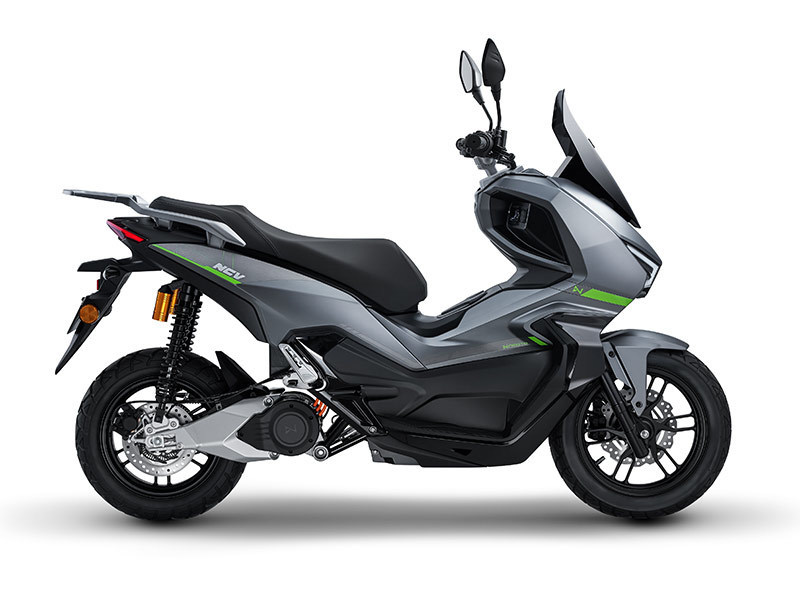
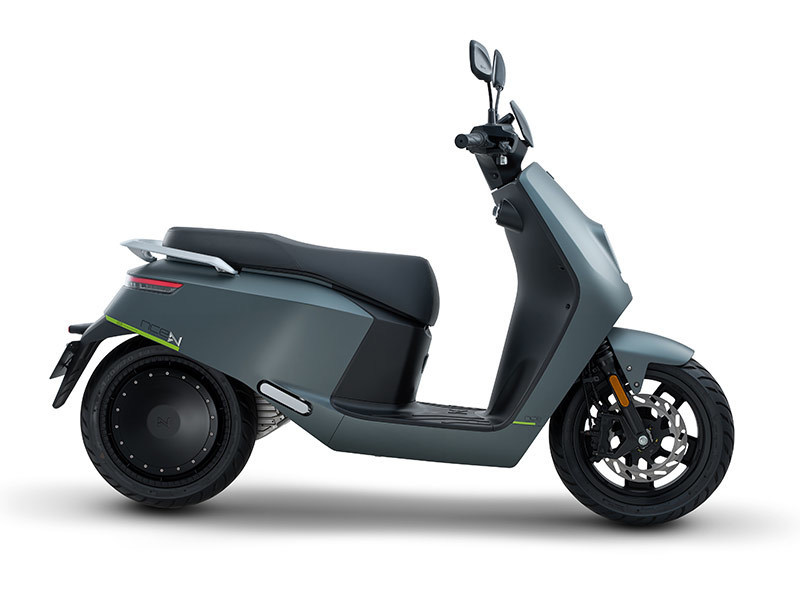
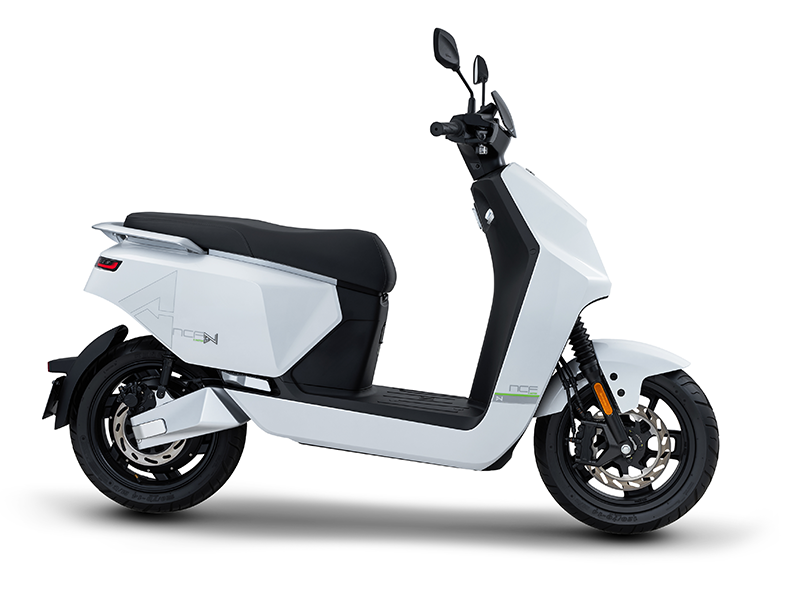
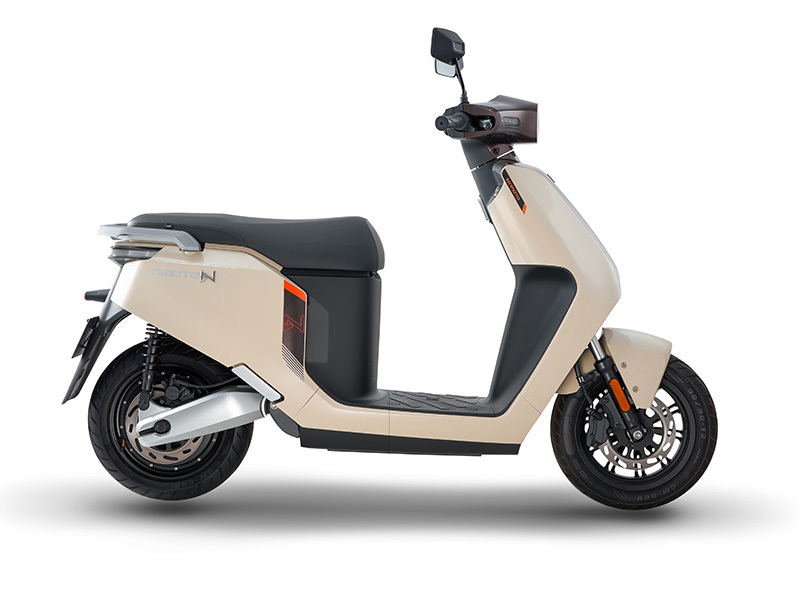
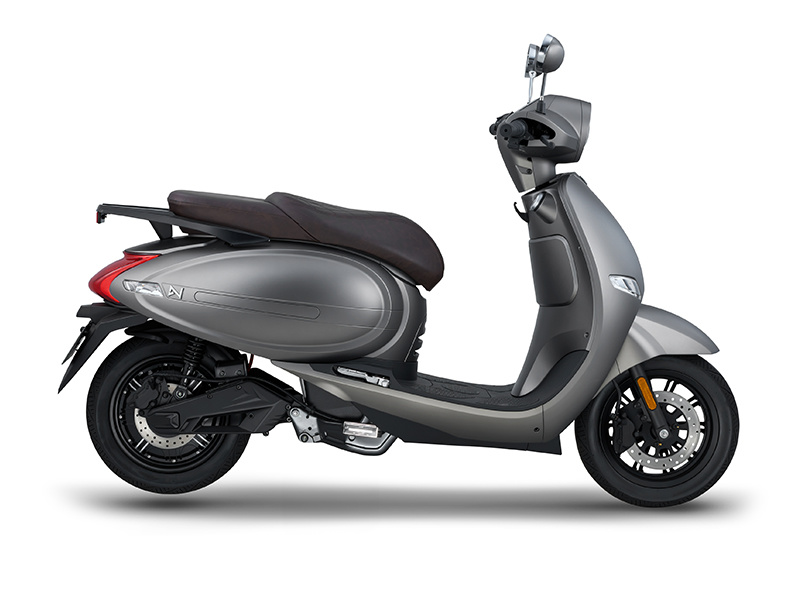
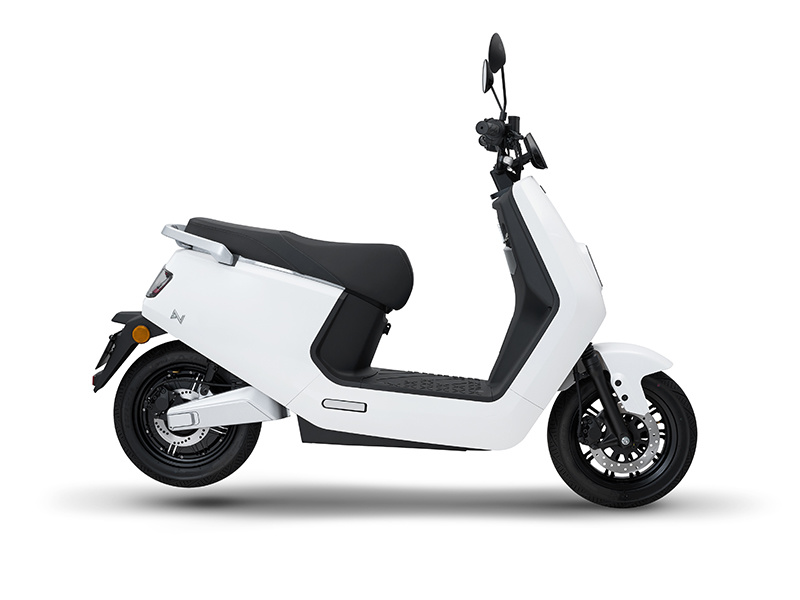
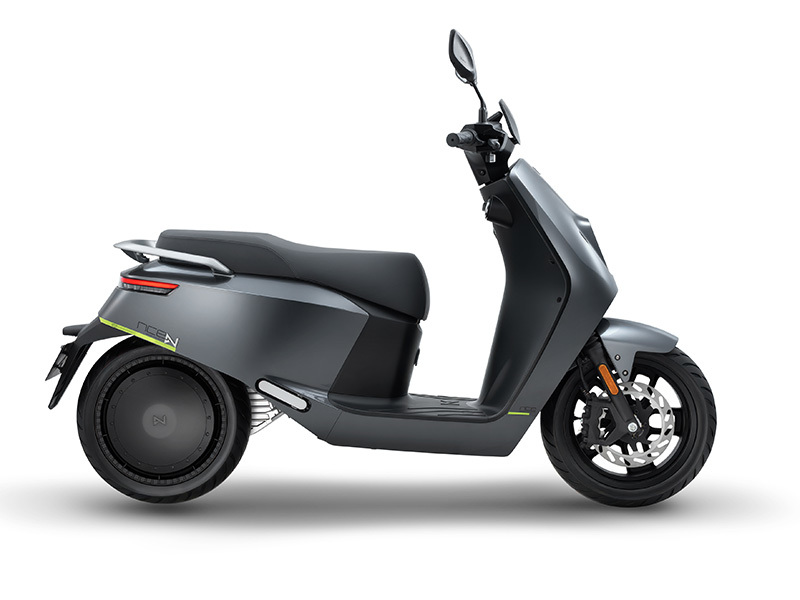
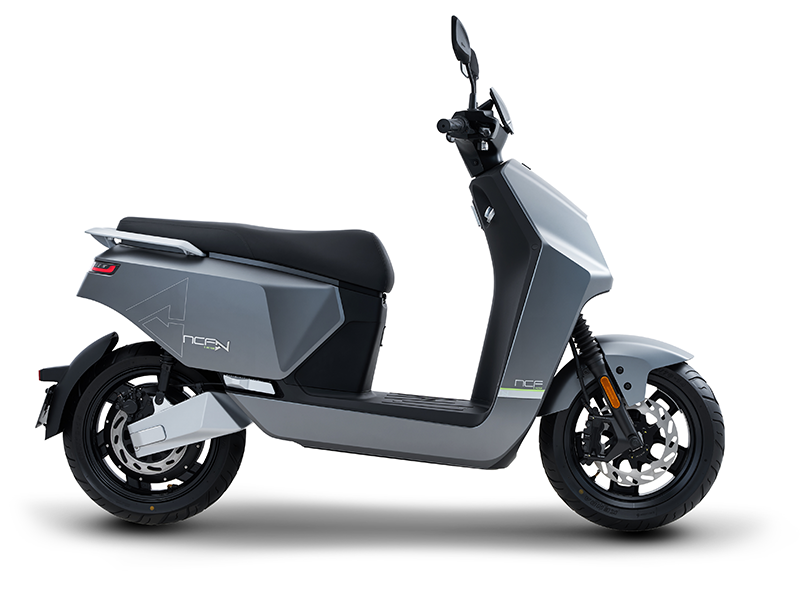
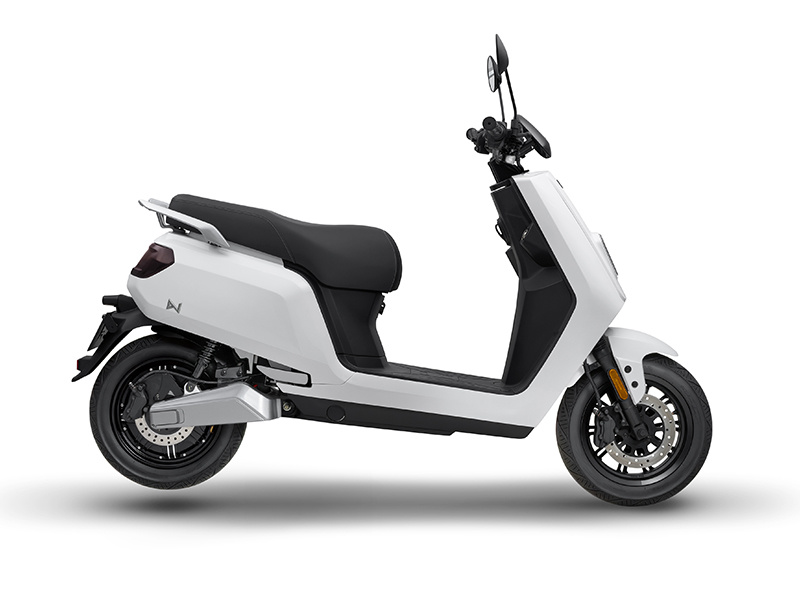
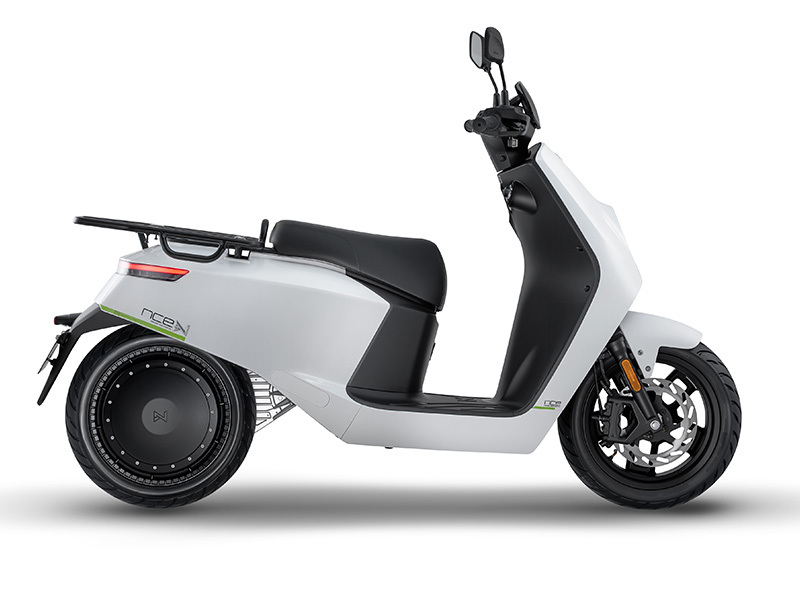
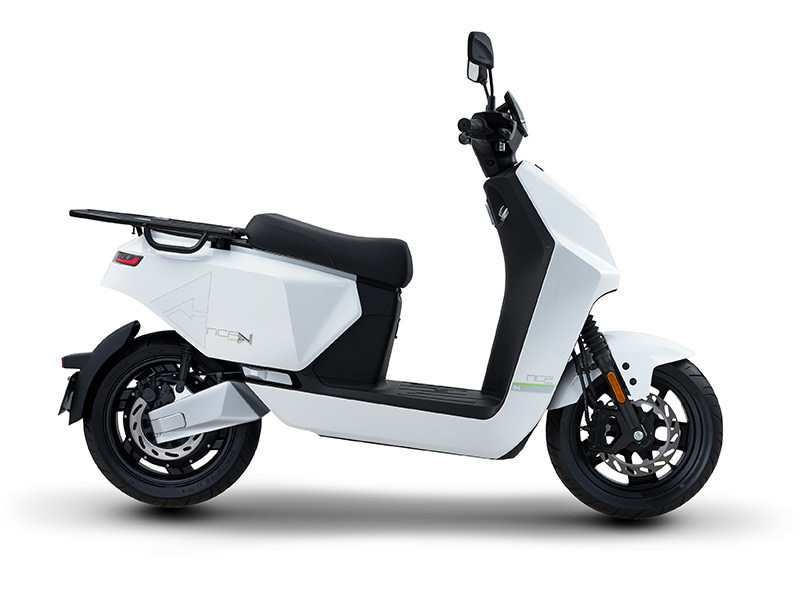
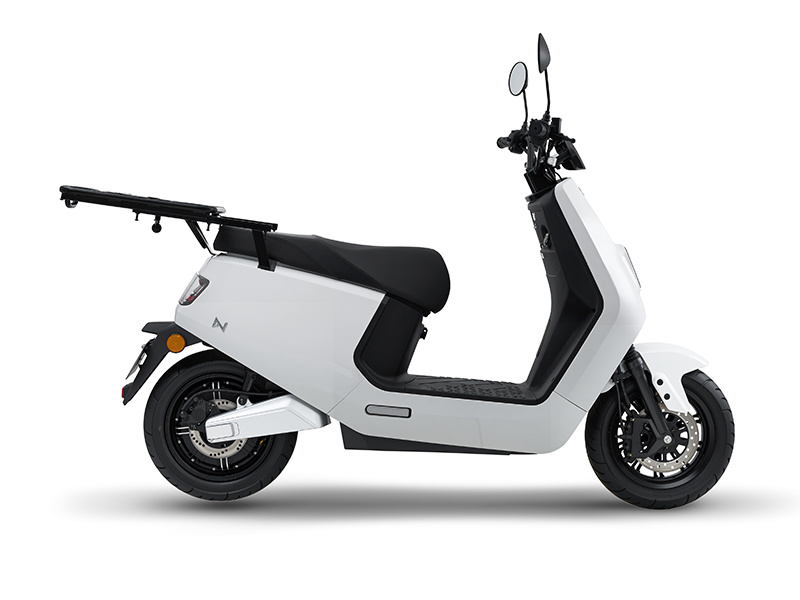
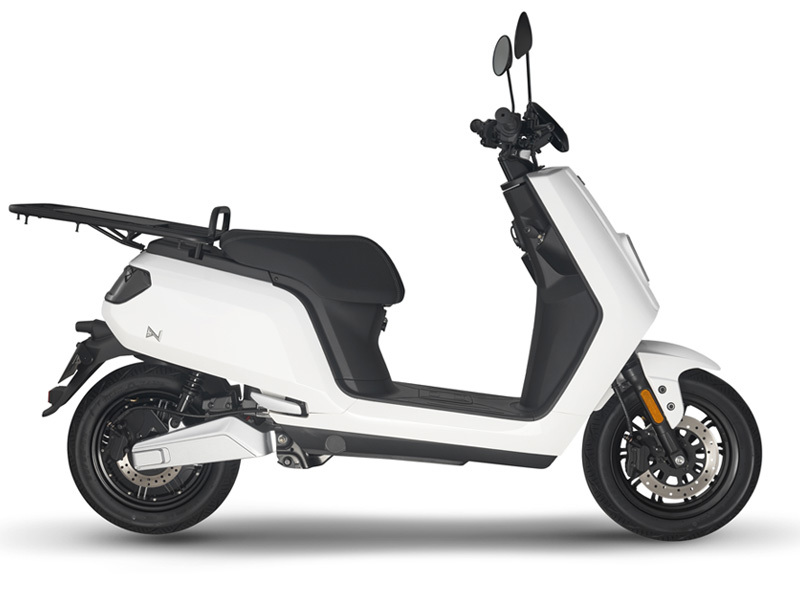
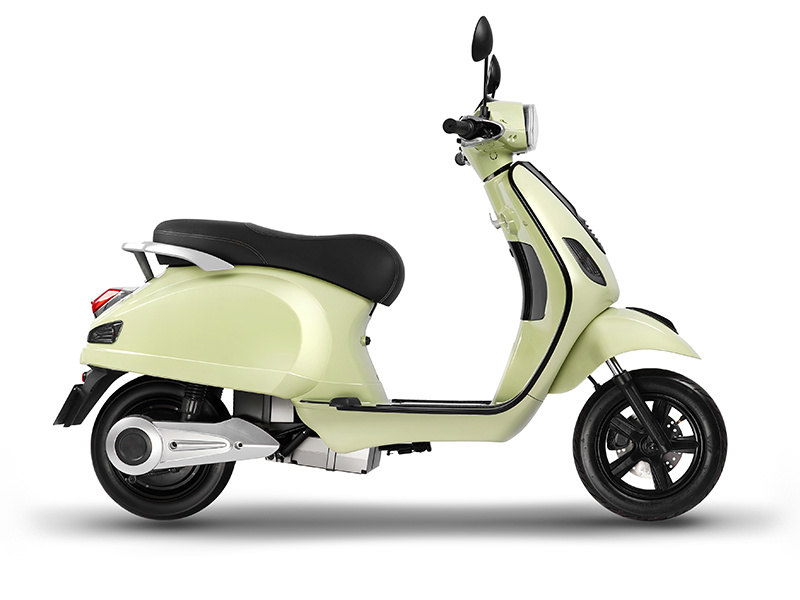
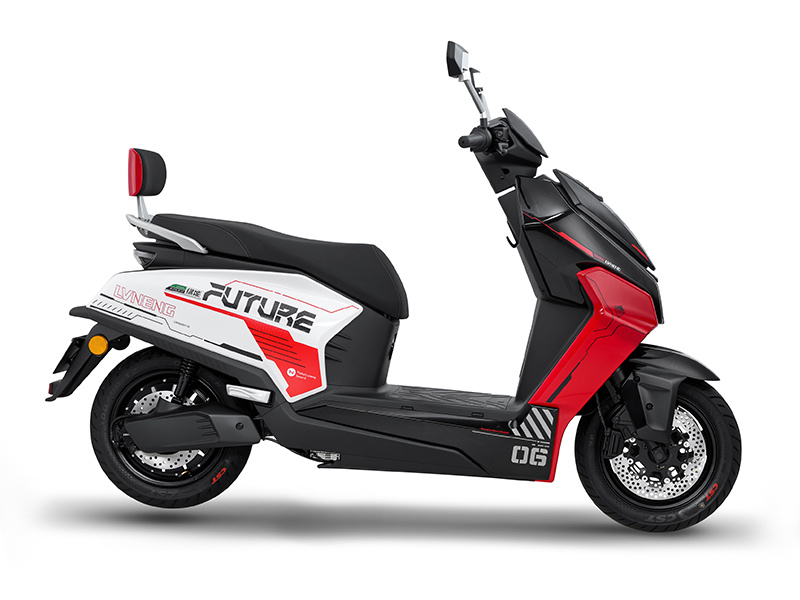
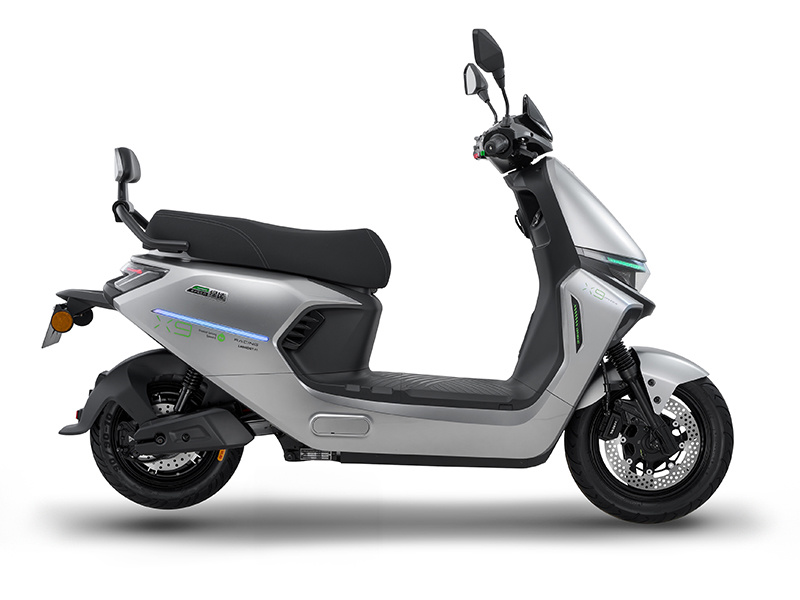
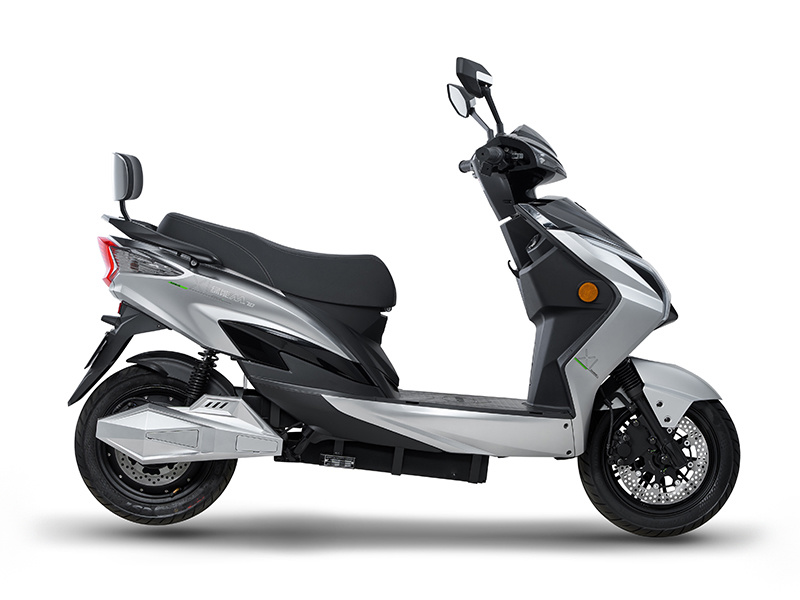
Delivery Lithium Electric Motorcycles are designed primarily for urban commuting and delivery purposes. Powered by lithium-ion batteries, these motorcycles offer impressive efficiency and significant cost savings in terms of maintenance and fuel. Key features include:
Battery Technology
Lithium-ion batteries are favored for their energy density, light weight, and longevity compared to traditional lead-acid batteries. Most lithium electric motorcycles can travel up to **100 miles** on a single charge, making them ideal for urban delivery services.
Performance Metrics
Electric motorcycles are often celebrated for their **instant torque** and smooth acceleration. This feature is particularly advantageous in city conditions where quick starts and stops are frequent.
Advantages of Delivery Lithium Electric Motorcycles
The shift towards electric motorcycles comes with numerous advantages:
Cost Efficiency
Electric motorcycles typically have lower operating costs than traditional bikes. They save on fuel expenses and require less maintenance since they have fewer moving parts.
Environmental Benefits
With zero tailpipe emissions, delivery electric motorcycles significantly reduce environmental pollution. For eco-conscious consumers and businesses, this is a compelling reason to make the switch.
Noise Pollution Reduction
Unlike traditional bikes, electric motorcycles operate quietly, contributing to reduced noise pollution in urban areas. This makes them particularly suitable for residential neighborhoods.
Challenges of Delivery Lithium Electric Motorcycles
While electric motorcycles present numerous benefits, they are not without challenges:
Charging Infrastructure
The availability of charging stations remains a concern for many riders. While urban areas are increasingly adopting charging infrastructure, rural areas may still face difficulties.
Initial Costs
Although operating costs are lower, the initial purchase price of electric motorcycles can be higher than traditional bikes, which may deter some consumers.
Battery Life and Replacement
Battery longevity and replacement costs can be significant considerations. Though advancements are being made, the lifespan of lithium batteries can vary.
Overview of Traditional Motorcycles
Traditional motorcycles have been a staple of personal transportation for decades. They utilize internal combustion engines, which have their own set of characteristics and benefits.
Engine Performance
Traditional bikes offer a variety of engine sizes, providing options for different performance needs. Riders often enjoy the visceral feel of a powerful engine and the sound of a revving motorcycle.
Fuel Options
These motorcycles run on gasoline, which can be easily found in most locations. The refueling process is quick and straightforward, with no need to search for charging stations.
Advantages of Traditional Bikes
Traditional motorcycles come with their own set of advantages:
Wider Availability
The extensive network of fuel stations makes traditional motorcycles more accessible, especially in remote areas. Riders can easily refuel without worrying about finding a charging station.
Variety of Models
There are countless models and styles of traditional motorcycles available, catering to different tastes and preferences. Whether it's cruisers, sport bikes, or touring motorcycles, riders have plenty of choices.
Challenges of Traditional Bikes
Despite their popularity, traditional motorcycles face several challenges:
Fuel Costs
With fluctuating gasoline prices, the cost of operating a traditional motorcycle can become unpredictable, leading to higher expenses over time.
Environmental Impact
Contributing to air pollution and greenhouse gas emissions, traditional motorcycles are less favorable for environmentally conscious riders.
Maintenance Costs
Traditional motorcycles often require more frequent maintenance due to their mechanical complexity, which can lead to higher ownership costs.
Cost Comparison: Electric vs. Traditional
Understanding the financial implications of both types of motorcycles is essential for prospective buyers.
Initial Investment
The purchase price of electric motorcycles can be higher due to advanced technology, while traditional bikes might offer more affordable entry points.
Operational Costs
Electric motorcycles usually incur lower operational costs, benefiting from cheaper electricity compared to gasoline prices. Maintenance also tends to be less expensive.
Long-Term Value
When considering resale value and longevity, electric motorcycles are gaining traction, but traditional motorcycles still hold a strong position in the market.
Environmental Impact of Electric and Traditional Motorcycles
The environmental implications of both motorcycle types are essential for today's eco-conscious consumers.
Carbon Footprint
Delivery lithium electric motorcycles produce no tailpipe emissions, significantly lowering their carbon footprint compared to traditional bikes.
Resource Use
The manufacturing process for electric motorcycles involves mining for lithium, which has its own environmental cost. Traditional motorcycles, while fuel-dependent, do not require as much resource extraction for operational use.
Future Trends in Motorcycle Technology
As technology evolves, the motorcycle industry is also changing rapidly.
Advancements in Battery Technology
The development of solid-state batteries promises to enhance range and performance for electric motorcycles, making them even more attractive to consumers.
Integration of Smart Technology
Both electric and traditional motorcycles are incorporating smart technology, such as GPS navigation, connectivity, and advanced safety features, which appeal to modern riders.
Conclusion
The choice between Delivery Lithium Electric Motorcycles and traditional bikes ultimately depends on individual needs, preferences, and environmental considerations. While electric motorcycles offer significant advantages in terms of cost efficiency, environmental impact, and performance, traditional bikes hold a steadfast appeal due to their availability, variety, and the thrill of riding a combustion engine. As technology continues to evolve, we can expect even more exciting developments in both categories, tailoring the motorcycle experience to fit a wide range of lifestyles and requirements.
FAQs
1. What is the average range of a delivery lithium electric motorcycle?
The average range is around 100 miles on a single charge, but this can vary based on the model and riding conditions.
2. How long does it take to charge an electric motorcycle?
Charging times can vary, but most electric motorcycles take between 4 to 8 hours to fully charge using a standard outlet.
3. Are electric motorcycles more expensive to maintain than traditional bikes?
No, electric motorcycles tend to have lower maintenance costs due to fewer moving parts, but the initial purchase price can be higher.
4. Can electric motorcycles be used for long-distance travel?
While electric motorcycles are improving, long-distance travel may require careful planning around charging stations.
5. What are the environmental benefits of switching to an electric motorcycle?
Electric motorcycles produce no tailpipe emissions, reduce noise pollution, and have a smaller carbon footprint compared to traditional motorcycles.
这里是标题一h1占位文字
Related News
Discovering the Benefits of Economical Lead Acid Electric Motorcycles for Urban Commuting
In recent years, the urban transportation landscape has seen a significant shift towards more sustainable and cost-effective solutions. One such option is the economical lead acid electric motorcycle, specifically designed for city commuting. These motorcycles offer various advantages that make them an appealing choice for adults seeking efficient and eco-friendly modes of transport. First and for
The Advantages of Going Green with Lead Acid Electric Motorcycles: A Sustainable Revolution
The Advantages of Going Green with Lead Acid Electric Motorcycles Table of Contents 1. Introduction to Lead Acid Electric Motorcycles 2. Environmental Benefits of Electric Motorcycles 3. Economic Advantages of Lead Acid Electric Motorcycles 4. Performance and Reliability of Lead Acid Electric Motorcycles 5. Ease of Maintenance 6. Charging Infrastructure and Accessibility 7. Governme
In recent years, electric motorcycles have gained significant attention due to their potential to reduce carbon emissions and provide cost-effective transportation options. One notable advancement in this sector is the development of delivery electric motorcycles equipped with removable batteries. This feature greatly enhances the usability of electric motorcycles, making them an ideal choice for
Comprehensive Guide to Efficient Maintenance of Your Delivery Lithium Electric Motorcycle
How To Maintain Your Delivery Lithium Electric Motorcycle Efficiently Table of Contents 1. Introduction to Lithium Electric Motorcycles 2. The Importance of Regular Maintenance 3. Battery Care and Management 4. Tire Maintenance for Optimal Performance 5. Brake System Maintenance 6. Cleaning Your Electric Motorcycle 7. Troubleshooting Common Problems 8. Expert Tips
Embracing the Future: Compact Electric Urban Mobility Scooters
As urban spaces continue to grow, the need for efficient transportation options becomes increasingly critical. Compact electric urban mobility scooters are designed to address the challenges of congested city environments. Their small size allows for easy maneuverability in tight spaces, ensuring that users can navigate through traffic and crowded sidewalks effortlessly. This agility is a signific
Long Range Lithium Electric Motorcycle for Delivery: Go Farther, Deliver Smarter
Long range lithium electric motorcycle for delivery supports efficient urban transport with reliable battery power and reduced operating costs
Low Maintenance Lithium Electric Motorcycle: Ride More, Maintain Less
Low maintenance lithium electric motorcycle offers reliable performance, efficient charging, reduced upkeep, and eco-friendly daily transportation
Delivery Electric Motorcycle for Urban Logistics: Power Smarter City Deliveries
Delivery electric motorcycle for urban logistics enables efficient, low-cost city deliveries with zero tailpipe emissions and easy maneuverability
Quick Link
Contact Us
E-Mail::jambo@lvnengebike.com
Tel: 008615686400557
Address:Heng Shan Qiao Industrial Zone, Changzhou, Jiangsu Province, China