High Speed Lithium Electric Motorcycle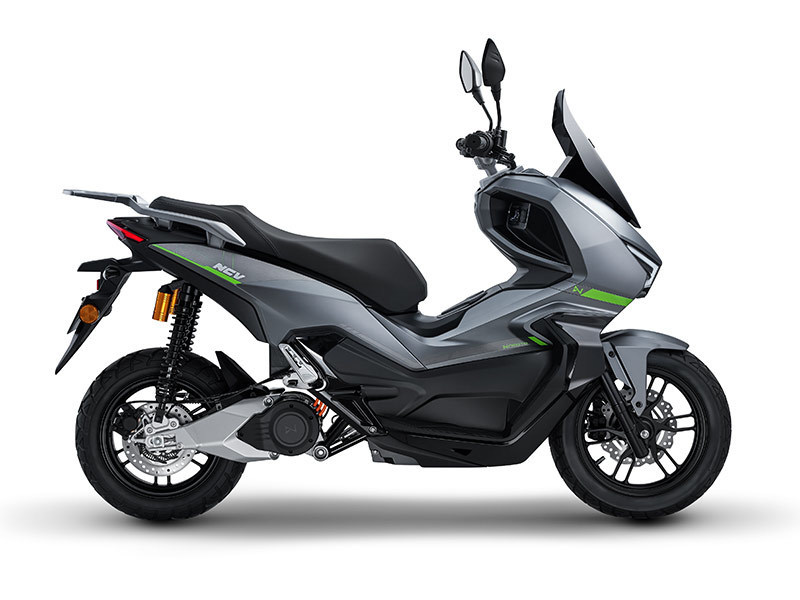
菜单
-
Lithium Electric Motorcycle
-
Lead Acid Electric MotorcycleLead Acid Electric Motorcycle
-
Sustainable
-
About Us
-
Blog
-
Contact Us
Address: Heng Shan Qiao Industrial Zone, Changzhou, Jiangsu Province, China
Comparing Traditional Motorcycles with LVNENG Lithium Electric Motorcycles: A Comprehensive Guide
Comparing Traditional Motorcycles with LVNENG Lithium Electric Motorcycles Table of Contents Understanding Motorcycle Types Traditional Motorcycles Overview LVNENG Lithium Electric Motorcycles Overview Performance Comparison: Speed and Handling Fuel Efficiency and Cost Analysis Maintenance Differences Between Traditional and Electric Motorcycles Environmental Impact of
Time:
2026-09-05 13:20
Comparing Traditional Motorcycles with LVNENG Lithium Electric Motorcycles
Table of Contents
- Understanding Motorcycle Types
- Traditional Motorcycles Overview
- LVNENG Lithium Electric Motorcycles Overview
- Performance Comparison: Speed and Handling
- Fuel Efficiency and Cost Analysis
- Maintenance Differences Between Traditional and Electric Motorcycles
- Environmental Impact of Traditional vs. Electric Motorcycles
- User Experience: Comfort and Usability
- The Future of Motorcycling: Trends and Innovations
- Frequently Asked Questions
Understanding Motorcycle Types
Motorcycles come in various types, each designed for specific purposes and user preferences. Traditionally, these machines run on internal combustion engines, utilizing gasoline to power their performance. In contrast, electric motorcycles, like the LVNENG lithium models, harness electricity stored in lithium batteries. This article delves into the key differences between these two types of motorcycles, providing insights that will aid potential buyers in their decision-making process.
Traditional Motorcycles Overview
Traditional motorcycles are powered by combustion engines, which have been the backbone of motorcycling for over a century. These motorcycles vary widely in design, from cruisers and sport bikes to touring bikes, each catering to different riding styles and preferences.
**Engine Performance**
Traditional motorcycles boast a range of engine sizes, typically measured in cubic centimeters (cc). A larger engine size often translates to higher power output and speed. Riders appreciate the visceral experience of throttle response and engine roar that combustion engines provide, which is an integral part of motorcycle culture.
**Fuel Type and Availability**
Traditional motorcycles primarily run on gasoline, which is widely available in most regions. However, fluctuations in gas prices and concerns over fossil fuel dependence impact the ownership experience.
LVNENG Lithium Electric Motorcycles Overview
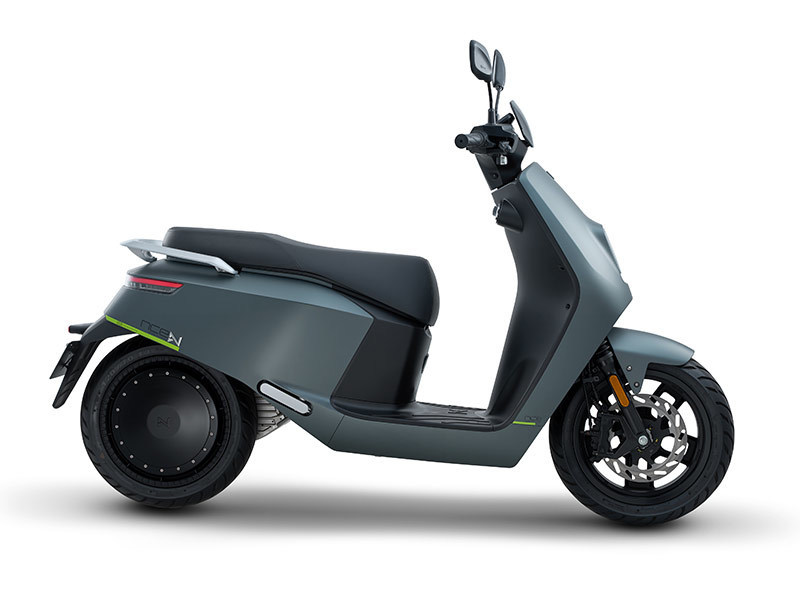
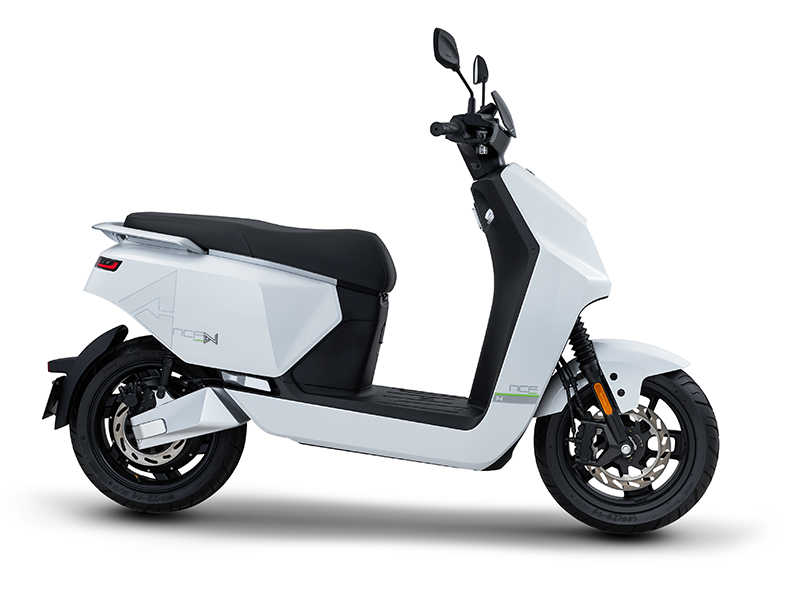
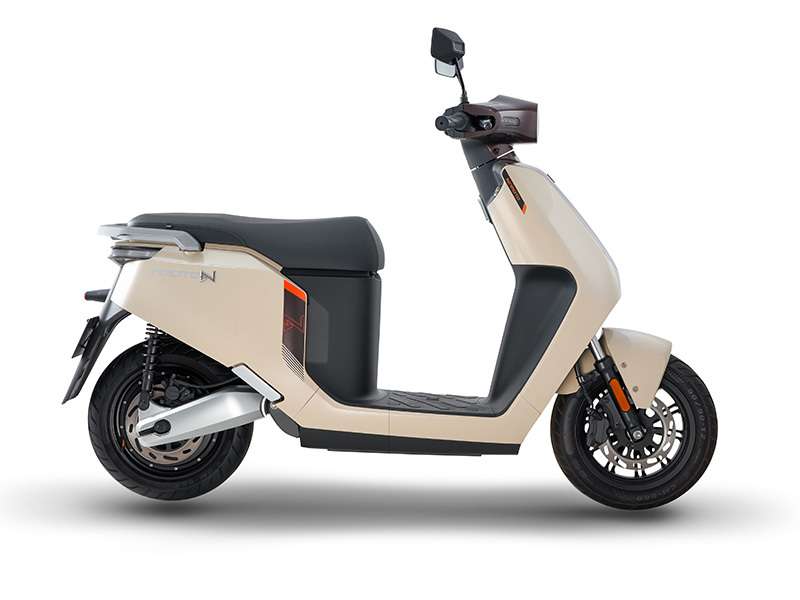
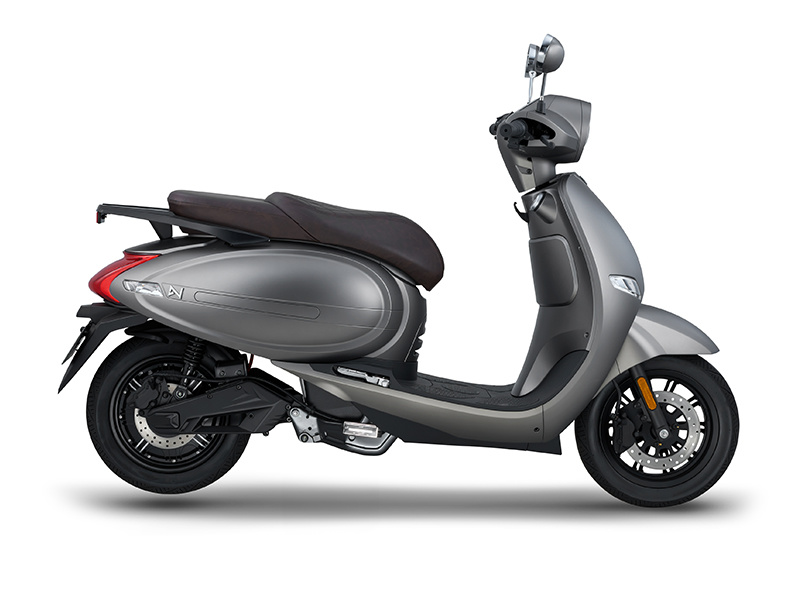
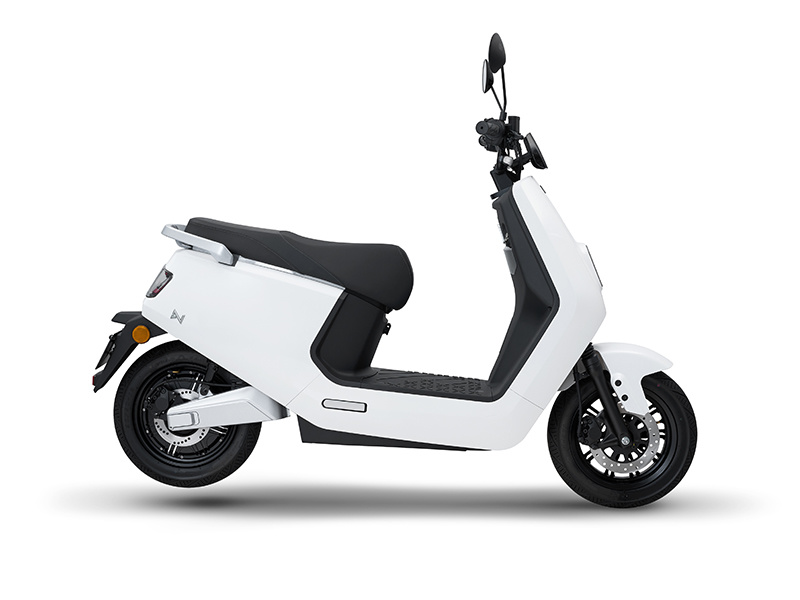
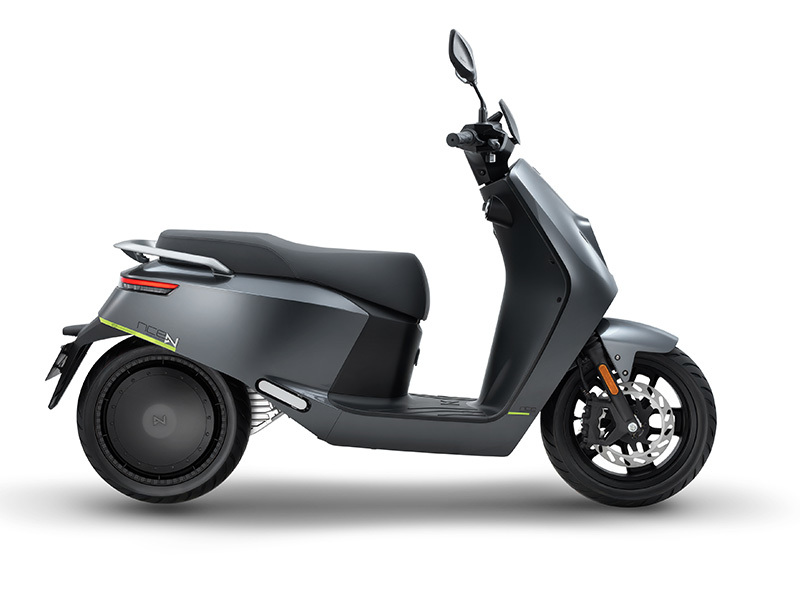
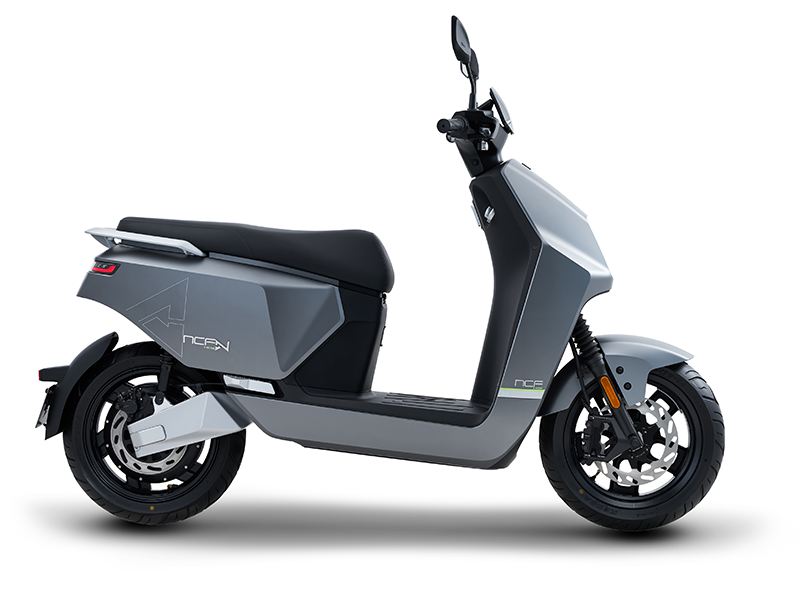
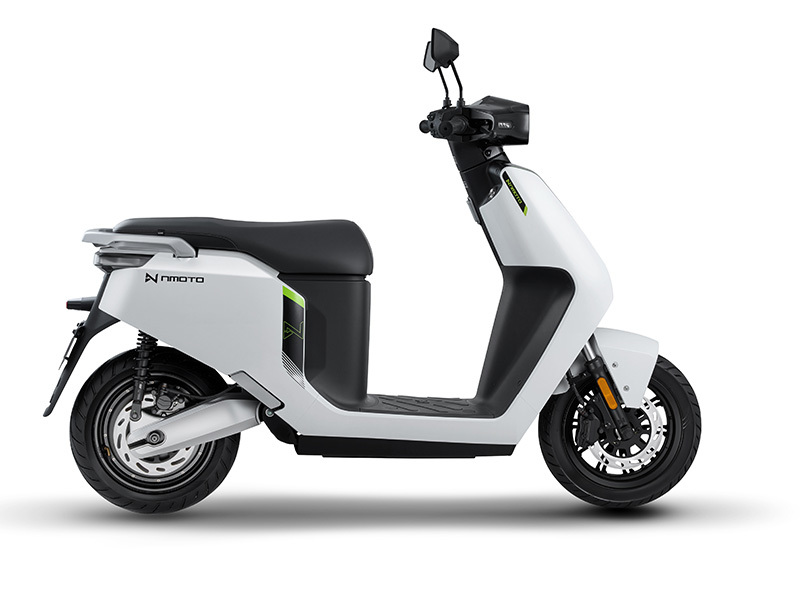
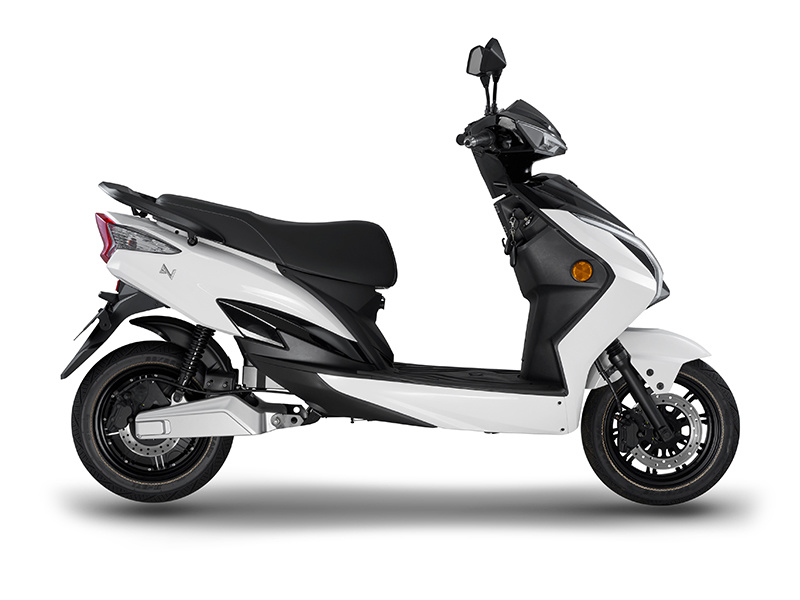
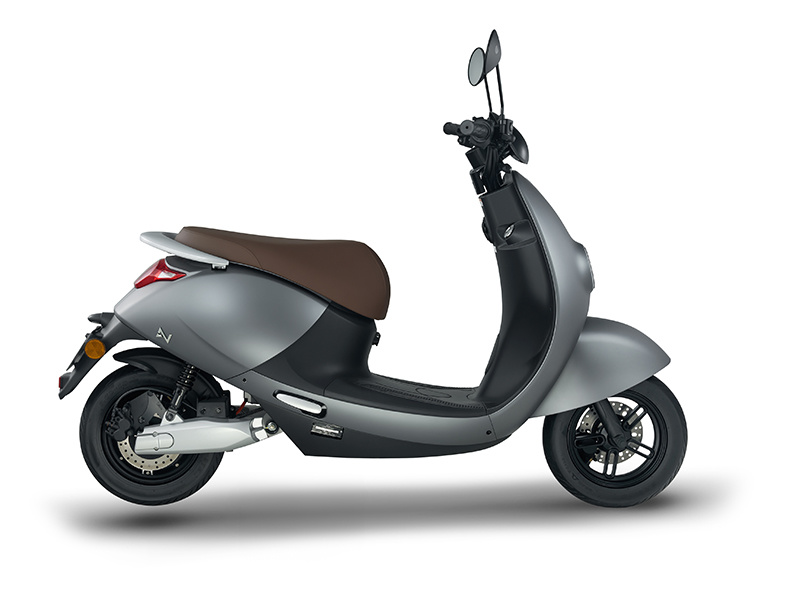
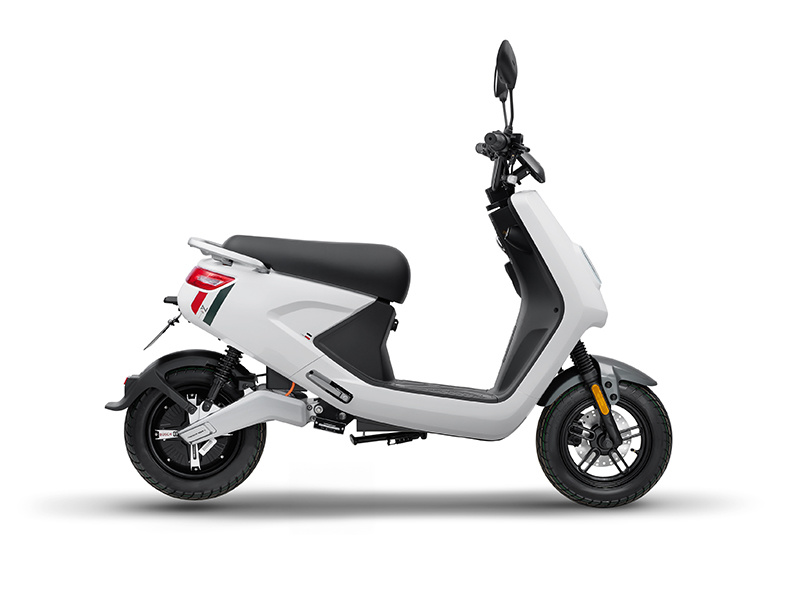
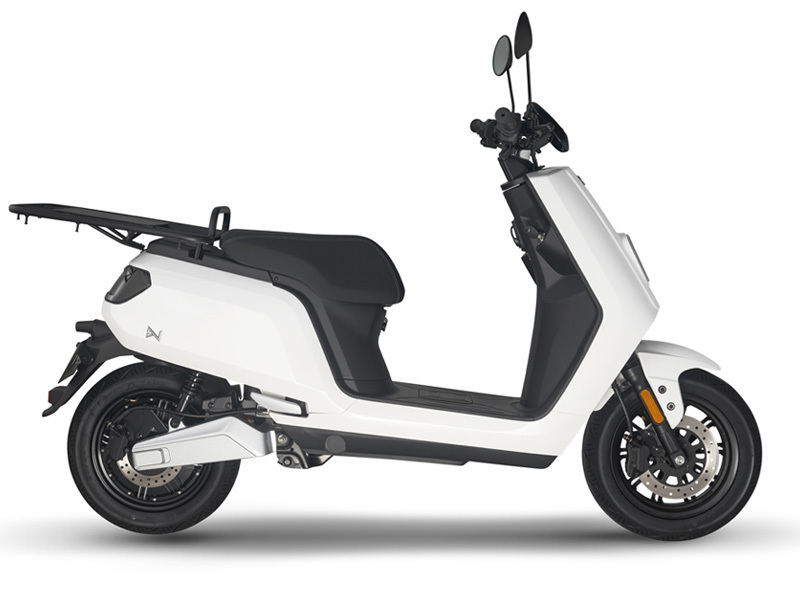
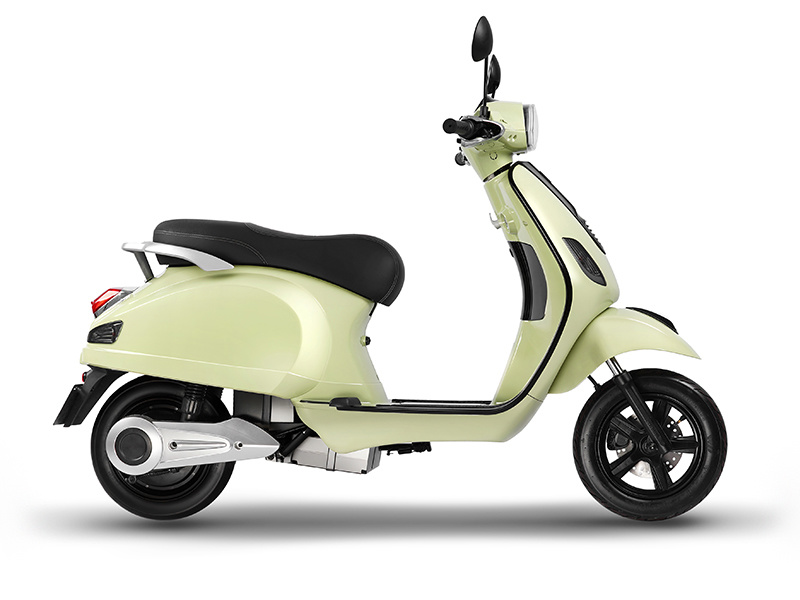
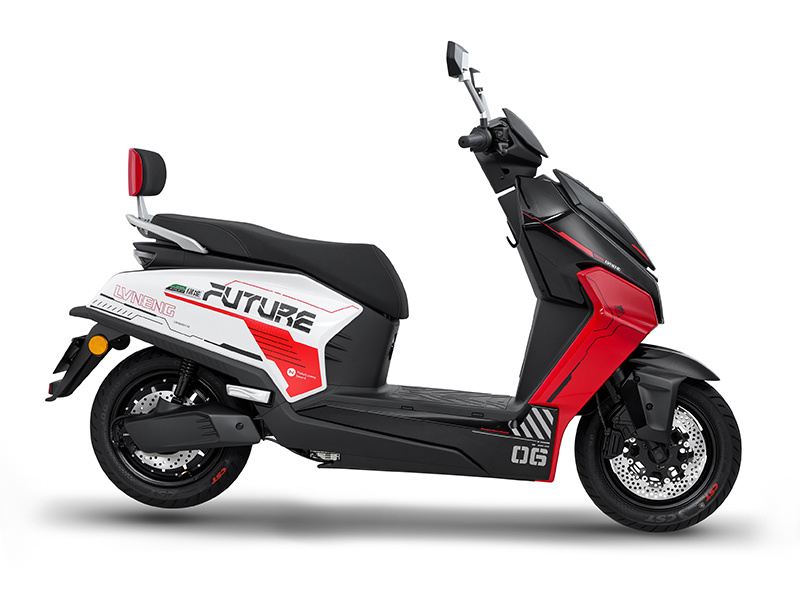
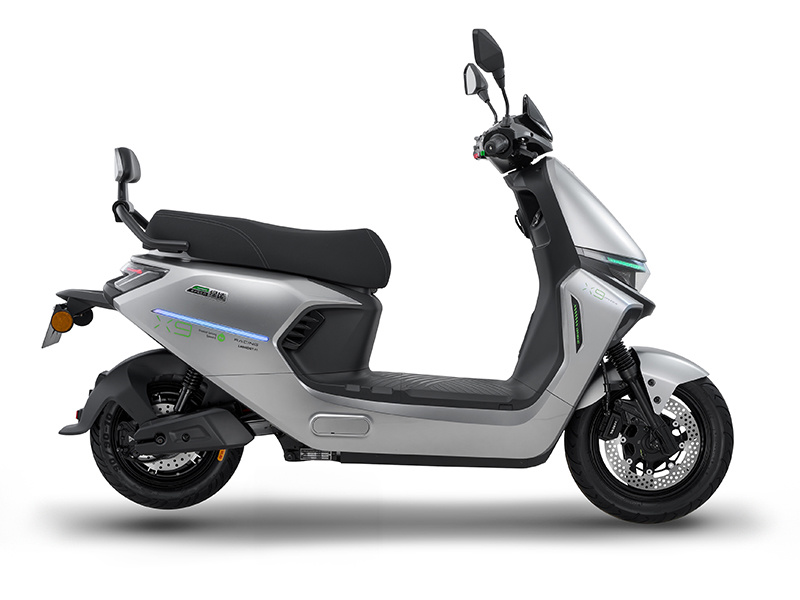
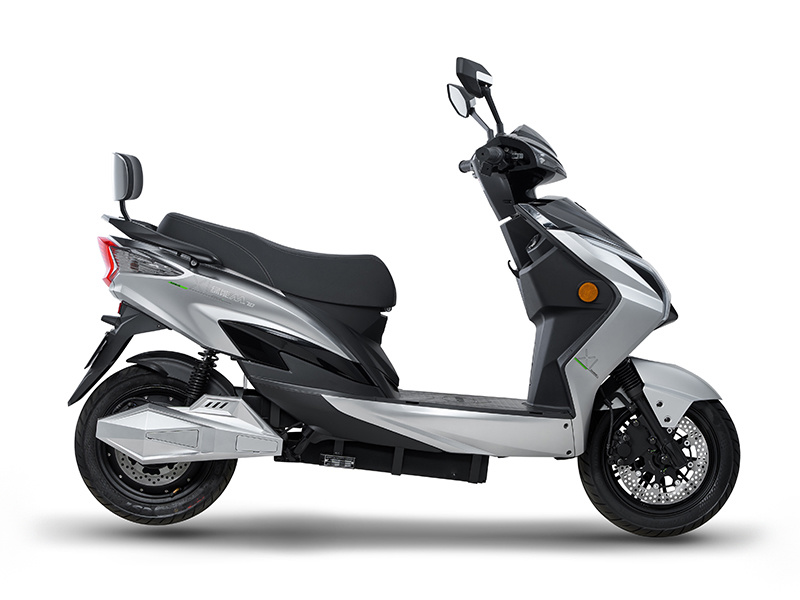
LVNENG lithium electric motorcycles are part of a growing trend toward electric mobility, appealing to environmentally conscious consumers. These motorcycles use advanced lithium batteries to power electric motors, drastically changing the riding experience.
**Battery Technology**
The LVNENG models feature cutting-edge lithium battery technology, providing impressive range and charging capabilities. With improvements in battery efficiency, riders can travel longer distances without frequent recharges, making electric motorcycles more practical for daily use.
**Quiet Operation**
One of the standout features of LVNENG lithium electric motorcycles is their quiet operation. Unlike traditional motorcycles, which can be quite loud, electric models provide a serene riding experience that allows riders to enjoy their surroundings without the distraction of engine noise.
Performance Comparison: Speed and Handling
When comparing performance, traditional motorcycles and LVNENG electric motorcycles exhibit distinct characteristics that cater to different rider preferences.
**Acceleration and Top Speed**
Electric motorcycles often feature immediate torque delivery, allowing for rapid acceleration. However, traditional motorcycles can achieve higher top speeds due to their powerful combustion engines. Riders looking for thrilling acceleration may enjoy the instant power of an electric motorcycle, while those seeking high-speed performance might prefer the capabilities of a traditional bike.
**Handling and Stability**
Handling and stability are crucial for safety and enjoyment. Traditional motorcycles generally have a lower center of gravity, contributing to their stability during high-speed maneuvers. Conversely, LVNENG electric motorcycles are designed for easy handling, making them approachable for new riders while still maintaining stability at various speeds.
Fuel Efficiency and Cost Analysis
The cost implications of owning and operating a motorcycle are significant factors to consider.
**Fuel Efficiency**
Traditional motorcycles vary in fuel efficiency, often measured in miles per gallon (MPG). While some high-performance models offer lower efficiency, others provide excellent fuel economy. In contrast, electric motorcycles operate on electricity, with costs per mile typically lower than those of gas-powered bikes.
**Cost of Ownership**
The initial purchase price of traditional motorcycles can range widely based on brand, model, and features. Electric motorcycles like those from LVNENG may have a higher upfront cost but can save riders money over time due to lower fueling and maintenance costs. Additionally, government incentives for electric vehicle purchases can further alleviate the financial burden.
Maintenance Differences Between Traditional and Electric Motorcycles
Maintenance is an essential consideration in motorcycle ownership, affecting long-term costs and reliability.
**Traditional Motorcycle Maintenance**
Combustion engines require regular maintenance, such as oil changes, air filter replacements, and spark plug checks. These maintenance tasks can add up over time and require professional servicing for optimal performance.
**Electric Motorcycle Maintenance**
LVNENG electric motorcycles necessitate less maintenance due to their simpler mechanical structure. With fewer moving parts, electric bikes typically require minimal upkeep, limited mainly to battery care and occasional tire maintenance. This reduction in maintenance can lead to a more hassle-free ownership experience.
Environmental Impact of Traditional vs. Electric Motorcycles
As environmental concerns grow, the impact of our transportation choices has become a critical factor for many consumers.
**Emissions from Traditional Motorcycles**
Traditional motorcycles contribute to air pollution through emissions produced by their combustion engines. While modern models have improved emissions standards, the environmental footprint remains significant compared to electric alternatives.
**Sustainability of Electric Motorcycles**
LVNENG lithium electric motorcycles present a greener alternative, producing zero emissions during operation. Additionally, as the energy grid shifts toward renewable sources, the overall environmental impact of electric motorcycles will continue to decrease, appealing to eco-conscious riders.
User Experience: Comfort and Usability
User experience encompasses comfort, usability, and the overall satisfaction of riding a motorcycle.
**Comfort Levels**
Traditional motorcycles vary widely in comfort, depending on the design and intended use. Sport bikes, for example, may prioritize performance over comfort, while cruisers often focus on relaxed riding positions. LVNENG electric motorcycles aim for a balance, providing comfortable seating and ergonomics suitable for everyday use.
**Usability Features**
Modern electric motorcycles often come equipped with advanced technology, including digital displays, smartphone connectivity, and regenerative braking. These features enhance usability and provide riders with essential information at their fingertips, making electric models increasingly appealing.
The Future of Motorcycling: Trends and Innovations
As technology continues to evolve, so does the motorcycle industry.
**Advancements in Electric Motorcycle Technology**
With ongoing research and development, the future of electric motorcycles looks promising. Innovations in battery technology, charging infrastructure, and lightweight materials are set to enhance the performance and accessibility of electric motorcycles.
**Sustainability and Eco-Friendly Trends**
Consumer demand for sustainable transportation solutions will drive the motorcycle industry toward greener options. The rise of electric motorcycles reflects a broader societal push towards eco-friendly practices, positioning brands like LVNENG at the forefront of this movement.
Frequently Asked Questions
1. What is the main difference between traditional and electric motorcycles?
The primary difference lies in their power sources; traditional motorcycles use internal combustion engines fueled by gasoline, while electric motorcycles run on electricity stored in batteries.
2. Are electric motorcycles more expensive than traditional ones?
While electric motorcycles may have a higher initial purchase price, they can save money in the long run due to lower fueling and maintenance costs, along with potential government incentives.
3. How long does it take to charge an LVNENG electric motorcycle?
Charging times can vary based on the charging station type and battery size, but many LVNENG models can fully charge in 4-8 hours using standard home chargers.
4. What are the maintenance requirements for electric motorcycles?
Electric motorcycles require less maintenance than traditional ones, mainly focusing on battery care, tire maintenance, and software updates.
5. Can I ride an electric motorcycle in the rain?
Yes, electric motorcycles are designed to be weather-resistant, but riders should always exercise caution in adverse conditions, just as they would with traditional motorcycles.
Conclusion
In conclusion, both traditional motorcycles and LVNENG lithium electric motorcycles offer unique strengths and appeal to different types of riders. Traditional motorcycles provide a time-tested riding experience with powerful engines and classic aesthetics. In contrast, LVNENG electric motorcycles offer an eco-friendly, low-maintenance alternative that caters to the needs of modern consumers. Ultimately, the choice between these two motorcycle types will depend on individual preferences, priorities, and riding habits. By understanding the nuances of each, potential buyers can make informed decisions that best suit their lifestyle and values.
这里是标题一h1占位文字
Related News
The Cost-Effectiveness of Electric Motorcycles with Removable Batteries: An In-Depth Analysis
The Cost-Effectiveness of Electric Motorcycles with Removable Batteries Electric motorcycles represent a significant shift in how we perceive transportation. As the world grapples with the consequences of fossil fuel consumption and climate change, electric vehicles (EVs) — particularly those equipped with removable batteries — are emerging as viable, cost-effective alternatives. This article exam
The Allure of Electric Vintage Motorcycles: A Modern Twist on Classic Rides
As the world moves towards sustainable transportation, the appeal of electric motorcycles is becoming increasingly apparent, especially those that draw inspiration from vintage designs. Electric vintage motorcycles combine the nostalgic aesthetics of classic rides with the advanced technology of today, providing a unique experience for riders who appreciate both heritage and innovation. One of the
Discover the Groundbreaking Design Innovations of LVNENG Lithium Electric Motorcycles
Discover the Groundbreaking Design Innovations of LVNENG Lithium Electric Motorcycles Table of Contents 1. Introduction to LVNENG Lithium Electric Motorcycles 2. A Brief History of Electric Motorcycles 3. Key Design Innovations in LVNENG Motorcycles 3.1 Aerodynamic Design 3.2 Use of Lightweight Materials 3.3 Advanced Battery Technology
The Future of Delivery: Exploring Portable Battery Electric Motorcycles
As urbanization continues to grow, the demand for efficient delivery solutions has never been higher. Portable battery electric motorcycles are at the forefront of this transformation, offering a modern and eco-friendly alternative for businesses engaged in delivery services. These motorcycles are designed to be lightweight and compact, making them ideal for navigating congested urban environments
High Performance Electric Bikes: A New Era of Sustainable Transport
High Performance Electric Bikes: A New Era of Sustainable Transport Table of Contents 1. Introduction to High-Performance Electric Bikes 2. Benefits of High-Performance Electric Bikes 2.1 Eco-Friendly Transportation 2.2 Cost-Effective Commuting 2.3 Health Benefits of Riding 3. Key Features of High-Performance Electric Bikes 3.1 Advanced Battery Tech
Exploring Economical Lead Acid Electric Motorcycles for Urban Commuting
In recent years, the electric motorcycle market has seen a significant shift towards more sustainable and economical options, particularly in the realm of lead acid electric motorcycles. These vehicles are increasingly being recognized for their suitability in urban environments, combining affordability with practicality for daily commuting. One of the primary advantages of lead acid electric moto
Lead Acid Electric Motorcycles vs. Traditional Gas Motorcycles: A Comprehensive Comparison
Lead Acid Electric Motorcycles vs. Traditional Gas Motorcycles: A Comprehensive Guide Table of Contents Introduction to Motorcycling Options Understanding Lead Acid Electric Motorcycles How Lead Acid Batteries Work Benefits of Lead Acid Electric Motorcycles Exploring Traditional Gas Motorcycles How Gas Motorcycles Work
As urban areas continue to grapple with congestion and pollution, the transportation industry is seeking innovative solutions to enhance efficiency and sustainability. One such advancement is the rise of delivery electric motorcycles equipped with removable batteries. These vehicles not only contribute to reducing carbon footprints but also offer a host of practical benefits for businesses and cou
Quick Link
Contact Us
E-Mail::jambo@lvnengebike.com
Tel: 008615686400557
Address:Heng Shan Qiao Industrial Zone, Changzhou, Jiangsu Province, China