High Speed Lithium Electric Motorcycle
菜单
-
Lithium Electric Motorcycle
-
Lead Acid Electric MotorcycleLead Acid Electric Motorcycle
-
Sustainable
-
About Us
-
Blog
-
Contact Us
Address: Heng Shan Qiao Industrial Zone, Changzhou, Jiangsu Province, China
Getting Started with High Performance Electric Bikes: A Comprehensive Beginner's Guide
Getting Started with High Performance Electric Bikes: A Comprehensive Beginner's Guide Table of Contents 1. Introduction to High Performance Electric Bikes 2. Understanding Electric Bikes: The Basics 3. Benefits of High-Performance Electric Bikes 4. Choosing the Right High-Performance Electric Bike 5. Key Components of Electric Bikes: What You Need to Know 6. Maintenance a
Time:
2026-09-21 10:51
Getting Started with High Performance Electric Bikes: A Comprehensive Beginner's Guide
Table of Contents
- 1. Introduction to High Performance Electric Bikes
- 2. Understanding Electric Bikes: The Basics
- 3. Benefits of High-Performance Electric Bikes
- 4. Choosing the Right High-Performance Electric Bike
- 5. Key Components of Electric Bikes: What You Need to Know
- 6. Maintenance and Care for Your Electric Bike
- 7. Safety Tips for Riding Electric Bikes
- 8. Frequently Asked Questions
- 9. Conclusion
1. Introduction to High Performance Electric Bikes
As urban mobility evolves, **high-performance electric bikes** are becoming increasingly popular among commuters and enthusiasts alike. These bikes combine advanced technology with the thrill of cycling, offering a unique riding experience. Whether you're looking to cut down on commute time, enjoy leisurely rides, or embrace the latest in sustainable transportation, understanding the dynamics of electric bikes is crucial.
2. Understanding Electric Bikes: The Basics
To truly appreciate **high-performance electric bikes**, one must first understand the fundamental components that differentiate them from traditional bicycles. Electric bikes, or e-bikes, are fitted with an electric motor that assists with pedaling. They typically feature rechargeable batteries, varying motor power, and different levels of assistance, making them versatile for various riding experiences.
2.1 How Electric Bike Motors Work
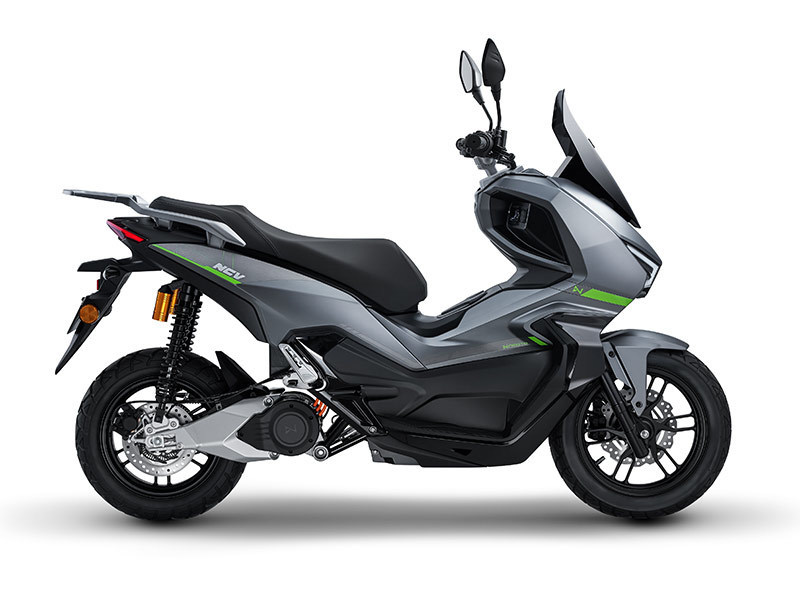
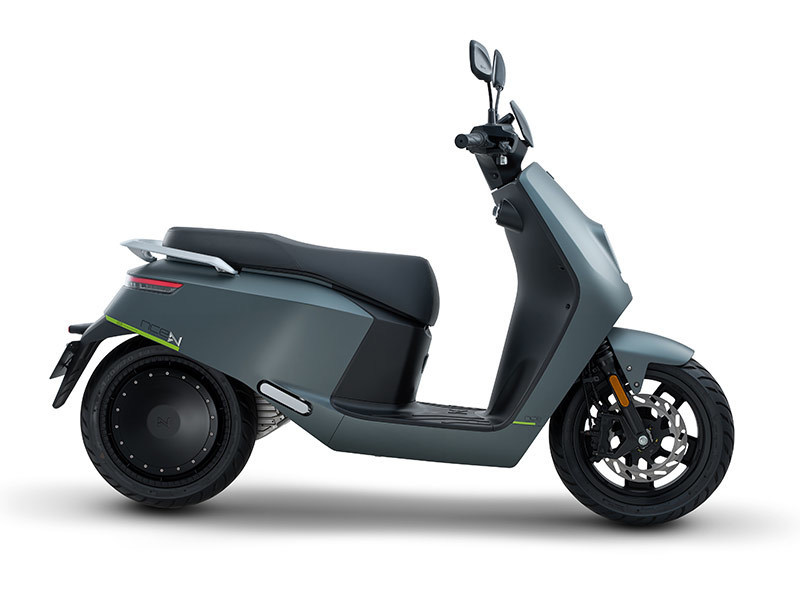
Electric bike motors can be categorized primarily into two types: hub motors and mid-drive motors. Hub motors are located in the wheel hub, providing propulsion directly to the wheel. In contrast, mid-drive motors are situated near the bike’s crank and deliver power to the chain, allowing for better torque and performance on inclines. Understanding these differences helps in selecting the right bike based on your riding style.
2.2 Battery Technology: The Heart of Electric Bikes
The battery is arguably the most critical component of an electric bike. Modern e-bikes use lithium-ion batteries due to their lightweight, compact design, and high energy density. These batteries come in various capacities, typically measured in watt-hours (Wh), directly influencing the range and performance of the bike.
3. Benefits of High-Performance Electric Bikes
High-performance electric bikes offer a plethora of advantages that make them appealing to riders of all skill levels.
3.1 Enhanced Speed and Efficiency
E-bikes can achieve higher speeds more efficiently than traditional bicycles. The electric motor assists riders in maintaining speed on flat terrains and tackling hills with ease, ensuring a thrilling ride.
3.2 Eco-Friendly Transportation
By choosing an electric bike, riders contribute to reducing carbon emissions and promoting sustainable commuting. E-bikes utilize electric power, making them a cleaner alternative to gasoline-powered vehicles.
3.3 Cost Savings
Investing in a high-performance electric bike can lead to significant savings in fuel and maintenance costs compared to traditional vehicles. Additionally, many cities offer incentives for electric bike users, such as reduced registration fees or access to bike lanes.
4. Choosing the Right High-Performance Electric Bike
Selecting the right electric bike involves considering several factors tailored to your needs and preferences.
4.1 Determine Your Riding Style
Identify how you plan to use your electric bike—whether for commuting, off-road adventures, or leisurely weekend rides. This will guide your choice of features, including motor power, battery capacity, and bike type.
4.2 Understand Different Types of Electric Bikes
Familiarize yourself with various electric bike categories, such as commuter bikes, mountain bikes, and road bikes. Each type is designed with specific features to cater to different riding conditions and preferences.
4.3 Test Ride Before You Buy
Before making a purchase, it's essential to test ride several models. This helps you gauge comfort levels, handling, and overall fit. Don’t hesitate to ask for guidance from knowledgeable staff at your local bike shop.
5. Key Components of Electric Bikes: What You Need to Know
A thorough understanding of the components that make up high-performance electric bikes is vital for making informed decisions regarding your purchase and maintenance.
5.1 Frame and Design
The frame material significantly affects the bike's weight and durability. Common materials include aluminum, which is lightweight and strong, and carbon fiber, known for its superior performance but generally comes at a higher cost.
5.2 Gear Systems and Brakes
Electric bikes may come with various gear systems, including single-speed and multi-speed options. Consider the terrain you will be riding on and select a bike that offers suitable gearing. Additionally, quality braking systems, such as hydraulic disc brakes, enhance safety and control.
5.3 Suspension Systems
For those interested in off-road riding, a good suspension system is crucial. It absorbs shocks from uneven terrains, providing a smoother ride. Evaluate the bike's suspension type, whether front suspension, full suspension, or rigid.
6. Maintenance and Care for Your Electric Bike
Proper maintenance is key to prolonging the lifespan of your high-performance electric bike.
6.1 Regular Inspections
Conduct regular inspections of your bike’s components. Check the brakes, tires, and electronics frequently to ensure optimal performance.
6.2 Battery Maintenance
Taking care of your bike’s battery can greatly affect its longevity. Avoid deep discharges and charge it regularly, even if you haven't used the bike for a while.
6.3 Cleaning Your Electric Bike
Regular cleaning helps maintain both aesthetics and performance. Use a damp cloth and mild soap to clean the frame and components, and avoid using high-pressure hoses that may damage electrical parts.
7. Safety Tips for Riding Electric Bikes
Safety should always be a top priority when riding electric bikes.
7.1 Wear Protective Gear
Always wear a helmet and consider additional protective gear such as gloves and knee pads. This is particularly important for new riders as they become accustomed to handling the bike.
7.2 Follow Local Laws and Regulations
Different regions have varying laws regarding electric bike use. Familiarize yourself with the regulations in your area, including speed limits and designated bike lanes.
7.3 Stay Aware of Your Surroundings
Practice defensive riding by staying alert and aware of your surroundings. Signal turns and be cautious of pedestrians and other vehicles.
8. Frequently Asked Questions
8.1 What is the average cost of a high-performance electric bike?
The average cost ranges from $1,500 to $5,000, depending on features, brand, and technology.
8.2 How far can you ride on a full charge?
The range can vary significantly based on battery capacity and riding conditions, typically between 20 to 100 miles on a single charge.
8.3 How fast can electric bikes go?
Most electric bikes are limited to a top speed of 28 mph in accordance with regulations, although models designed for off-road use may exceed this.
8.4 Do I need a license to ride an electric bike?
This largely depends on local laws. In many areas, no license is required for e-bikes under certain power limits.
8.5 Can electric bikes be used in the rain?
Yes, most electric bikes are designed to withstand wet conditions. However, it’s advisable to avoid deep water and clean your bike after exposure to rain.
9. Conclusion
Embracing high-performance electric bikes opens the door to a world of excitement and convenience. By understanding the fundamental aspects of electric bikes, including their components, benefits, and maintenance requirements, you can make informed decisions that enhance your riding experience. Whether you're commuting, exploring trails, or enjoying leisurely rides, electric bikes provide a sustainable and fun alternative to traditional transportation. With the knowledge gained from this guide, you're now equipped to dive into the thrilling realm of electric biking confidently. Happy riding!
这里是标题一h1占位文字
Related News
Lead Acid Electric Motorcycles vs. Traditional Gas Motorcycles: A Comprehensive Comparison
Lead Acid Electric Motorcycles vs. Traditional Gas Motorcycles: A Comprehensive Guide Table of Contents Introduction to Motorcycling Options Understanding Lead Acid Electric Motorcycles How Lead Acid Batteries Work Benefits of Lead Acid Electric Motorcycles Exploring Traditional Gas Motorcycles How Gas Motorcycles Work
As urban areas continue to grapple with congestion and pollution, the transportation industry is seeking innovative solutions to enhance efficiency and sustainability. One such advancement is the rise of delivery electric motorcycles equipped with removable batteries. These vehicles not only contribute to reducing carbon footprints but also offer a host of practical benefits for businesses and cou
Essential Safety Tips for Riding Delivery Lithium Electric Motorcycles
Essential Safety Tips for Riding Delivery Lithium Electric Motorcycles The rise of **delivery lithium electric motorcycles** is revolutionizing urban transportation and logistics. With their increasing popularity, especially in the realm of food and goods delivery, ensuring safe riding practices is paramount. In this comprehensive guide, we will explore essential safety tips for riding these ele
Revolutionizing City Travel: The Compact Electric Urban Mobility Scooter
In recent years, the shift towards sustainable transportation solutions has gained momentum, leading to the rise of electric urban mobility scooters. These compact vehicles offer an innovative alternative to traditional modes of transport, especially in congested urban environments. Designed for efficiency and convenience, electric urban mobility scooters are becoming increasingly popular among ad
Overcoming Range Anxiety: The Benefits of Removable Batteries for Electric Motorcycles
Overcoming Range Anxiety: The Benefits of Removable Batteries for Electric Motorcycles Table of Contents Understanding Range Anxiety in Electric Motorcycles The Role of Batteries in Electric Motorcycles What Are Removable Batteries? Advantages of Removable Batteries for Electric Motorcycles Enhanced Convenience and Flexibility Improving the Riding Experience with Removable
Removable Lithium Battery Motorbike: Flexible Power for Smarter Urban Travel
Removable lithium battery motorbikes offer flexible charging, easy battery handling, efficient power, and convenient urban mobility
Stable Electric Motorbike: Smooth, Confident Mobility for Everyday Travel
Stable electric motorbikes offer smooth rides, reliable power, safe handling, and practical mobility for daily use
Lead Acid Electric Motorcycle: A Practical Ride for Smarter Everyday Mobility
Lead acid electric motorcycles offer affordable mobility, easy charging, steady performance, and practical urban ranges
Quick Link
Contact Us
E-Mail:gleen@lvnengebike.com
Tel: 008617721702600
Address:Heng Shan Qiao Industrial Zone, Changzhou, Jiangsu Province, China